Business Event Ideas That Build Useful Professional Connections
Explore practical business event ideas, from peer roundtables to workshops, and learn how to set goals, reach the right audience and manage costs.

Useful business event ideas start with a specific goal and a format that gives the right people a reason to participate. Try a peer roundtable for candid problem-solving, a short workshop for practical learning, or a customer Q&A for direct feedback. Set a clear outcome, invite a focused audience and choose an approach your team can run well.
An event does not need a large venue or a packed agenda to create value. A modest gathering can lead to stronger professional relationships when attendees know why they are there and have enough time to exchange relevant ideas.
Plan from the outcome backward: decide what success looks like, select a format, then shape the invitation and logistics around the audience. Keep the scope manageable, assign an owner to each task and make follow-up part of the plan.
- Start with one concrete business goal and a way to assess whether the event achieved it.
- Match the format and group size to the audience and the conversation you want to support.
- Use simple, repeatable ideas that fit your team’s time, tools and budget.
- Write invitations for the people you want to reach, then plan useful follow-up.
Start with a clear business goal
Define the result first
Choose one main result before booking a room or writing an invitation. A business event might help a team share expertise, hear customer concerns, introduce a service or strengthen local professional ties. A focused goal makes it easier to decide who should attend and what participants should do during the gathering.
Turn the goal into an observable outcome that fits the event. For example, a customer listening session could aim to collect specific feedback on a new process, while an internal workshop could end with a draft action plan. Avoid goals such as “raise awareness” unless you can name the audience and the response you want.
Use the goal to set boundaries on the agenda. If the purpose is peer learning, allow time for attendees to compare approaches rather than filling every minute with presentations. If the purpose is product feedback, keep promotional material brief and reserve time for questions that reveal what participants actually need.
Choose a measure of success
Decide how you will judge whether the event met its goal, using a measure you can collect without creating unnecessary work. For a workshop, that might be whether attendees leave with a usable draft or skill. For a customer session, it could be the quality and specificity of the feedback gathered.
Separate attendance from impact when reviewing results. A full room does not prove that participants made useful connections, learned a relevant skill or gave actionable input. Ask a short follow-up question tied to your goal, and review any agreed next steps after the event rather than relying on impressions alone.
Share the intended outcome with everyone helping to deliver the event. A host, facilitator and note-taker can then make consistent choices about timing, questions and follow-up. This simple alignment also helps the team recognize when an appealing extra activity would distract from the reason people were invited.
Choose an audience and a useful format

Match format to participants
Build the format around what attendees can contribute and what they hope to take away. A peer roundtable works when people share a relevant challenge and can learn from one another; a demonstration suits an audience that needs to see a process. When selecting a marketing partner to support event promotion, an seo agency directory can help teams browse agencies by service and assess potential fits.
- Inviting everyone: define the audience by role or shared need.
- Choosing a format for convenience alone: match it to the intended conversation.
- Overloading the agenda: leave space for questions and useful exchanges.
Be specific about who belongs in the room, even if the invitation list remains broad. A gathering for local retailers facing staffing questions will have a clearer conversation than a general business mixer. When participants have a shared context, the host can prepare better prompts and attendees can move quickly from introductions to useful discussion.
Consider how comfortable people will feel speaking in the proposed format. A large panel may suit a public update, while a small facilitated group can make it easier for quieter attendees to contribute. For virtual events, offer a clear way to ask questions and avoid activities that depend on complicated technology.
- Use a roundtable for shared challenges.
- Choose a workshop for hands-on learning.
- Use a panel for several informed perspectives.
- Try a customer session to gather direct feedback.
Set a comfortable group size
Choose a group size that gives participants a fair chance to contribute. A discussion built around shared experience can lose depth if too many people compete for airtime, while a public briefing may benefit from a larger audience. Let the activity and available facilitation—not a wish for impressive attendance—set the limit.
For a small discussion, use a host to welcome people, explain the purpose and guide turn-taking. For a larger gathering, divide attendees into smaller groups or provide structured question periods. These choices make participation more predictable and reduce the risk that a few confident voices dominate the conversation.
Check the venue or online platform against the expected format before sending invitations. Confirm that people can hear one another, access any materials and join without avoidable barriers. A marketing partner should also understand the audience and event purpose; clarify responsibilities before asking anyone to handle promotion or registration.
Try low-cost event ideas for small teams
Use simple, repeatable formats
Choose a format that uses a room, platform and expertise your team already has access to. A peer roundtable, short skills workshop or customer question session can create a useful reason to meet without a complicated production plan. Agencies coordinating event promotion for clients may review guest posting services uk as one possible part of a wider content and outreach plan.
- ☐ Use an existing meeting room or reliable online platform.
- ☐ Invite participants who share a clear interest or challenge.
- ☐ Ask a facilitator to guide the discussion.
- ☐ Send a concise follow-up with agreed next steps.
A breakfast or lunch discussion can work when the topic is narrow and attendees have a reason to compare experiences. Keep refreshments and scheduling simple, then use a facilitator to move the conversation from introductions to practical examples. The value comes from relevant people and a well-framed discussion, not elaborate staging.
A virtual session can reduce travel and venue demands, particularly when participants are spread across locations. Keep the presentation concise and build in a clear question period or small-group exercise. Send any materials ahead of time, test the meeting setup and give attendees a simple way to contribute if they cannot speak live.
| Format | Best suited to | Main preparation |
|---|---|---|
| Peer roundtable | Shared business challenges | Focused prompt and facilitator |
| Skills workshop | Hands-on learning | Exercise and materials |
| Customer Q&A | Direct feedback | Questions and moderator |
| Virtual session | Distributed participants | Platform test and clear access |
Compare practical event options
Compare event ideas by the work they require and the kind of interaction they support. A roundtable needs a focused prompt and active facilitation, while a workshop needs materials and a defined exercise. A virtual Q&A is often simpler to host, but it still needs a moderator and a plan for handling questions.
Use the table to narrow the choice, then check it against your goal, audience and team capacity. A format that looks easy on paper may require more preparation if the topic needs specialist input or accessibility arrangements. Choose the option your team can deliver thoughtfully, including the invitation and follow-up.
Keep the first version deliberately manageable. Reuse an agenda or discussion prompt if it worked, and change one element at a time when it did not. That gives your team a clearer idea of which choices improved participation and which added effort without helping attendees get more from the event.
Match the invitation to the relationship: a personal message may work for a small peer discussion, while a public listing can help a broader session find attendees.
Plan promotion around the people you want to reach

Write an audience-specific invitation
Make the invitation answer three questions: who should attend, what will happen and why the discussion matters to them. Replace generic networking language with a concrete description, such as comparing approaches to a shared business challenge. If an agency promotes events for several clients, white label link building may be one service to review alongside its broader outreach plan.
Use channels your intended participants already pay attention to, such as a relevant business association newsletter, an existing customer email list or a direct note from a trusted colleague. Match the invitation to the relationship: a personal message may work for a small peer discussion, while a public listing can help a broader session find attendees.
Make practical details easy to find, including the location or access instructions, schedule, intended audience and registration process. Tell people whether they should bring a question, example or colleague. Clear expectations help prospective attendees decide quickly and reduce follow-up messages about basic logistics.
- State the intended audience and event outcome.
- Choose a channel that reaches those people.
- Include access, timing and registration details.
- Give invitees a simple way to ask questions.
Make follow-up part of outreach
Plan the follow-up before promotion begins so the event has a clear next step. Decide who will send materials, respond to questions and connect attendees who asked to continue a conversation. A timely, relevant message is more useful than a generic thank-you that leaves participants unsure how to act on what they discussed.
Use registration information only to support the event and communicate relevant updates. Tell attendees what to expect after signing up, and avoid sending unrelated messages that can weaken trust. If the event is intended to build professional relationships, make introductions with care and ask before sharing someone’s contact details.
Review which invitations led to the right participation, not simply which channel produced the most registrations. Note whether attendees matched the intended audience and whether the event achieved its stated goal. Use those observations to adjust the next invitation, format or schedule rather than repeating every choice by default.
Coordinate outside marketing support carefully
Match Channels to Attendees
Choose outside marketing support by matching each channel to the people you need in the room, rather than buying reach for its own sake. A regional supplier event may benefit from local business groups, while a technical roundtable may need direct invitations to a carefully defined professional audience. Set a clear attendance or registration goal before comparing proposals.
Ask providers to explain who their channels reach, how they will deliver the message, and what evidence you will receive afterward. Compare those answers with your event goal, available budget, and timeline. For teams comparing outside channels to promote an event, MediaKit.uk offers services to assess against the audience and goals.
Keep ownership of the invitation list and event message, even when a vendor handles distribution. Share only the information needed to perform the work, agree on approval steps, and confirm who will answer attendee questions. These basics reduce mismatched promises and help your team respond quickly if registration needs a change.
- Define the attendee profile.
- Set a measurable promotion goal.
- Compare audience fit and reporting.
- Approve copy before it goes out.
Set Clear Vendor Boundaries
Write down what an outside partner will deliver before work begins, including deadlines, format, approval rights, and the person responsible for each task. A simple scope might cover invitation copy, a defined distribution window, and a report after the event. Clear boundaries make it easier to spot missing work before the event date.
Agree on how success will be assessed, and separate activity from results. A count of messages sent does not show whether the right people registered or attended, so ask for available audience and response details. Use consistent measures across vendors where possible, while recognizing that different channels may report results differently.
Keep a contingency plan for a delayed placement, weak registration, or a last-minute change to the event details. Decide who can approve a revised message and which alternative channel is acceptable. When outside support complements your own outreach rather than replacing it, a problem in one channel is less likely to derail the event.
Prepare a simple run of show
Map the Attendee Journey
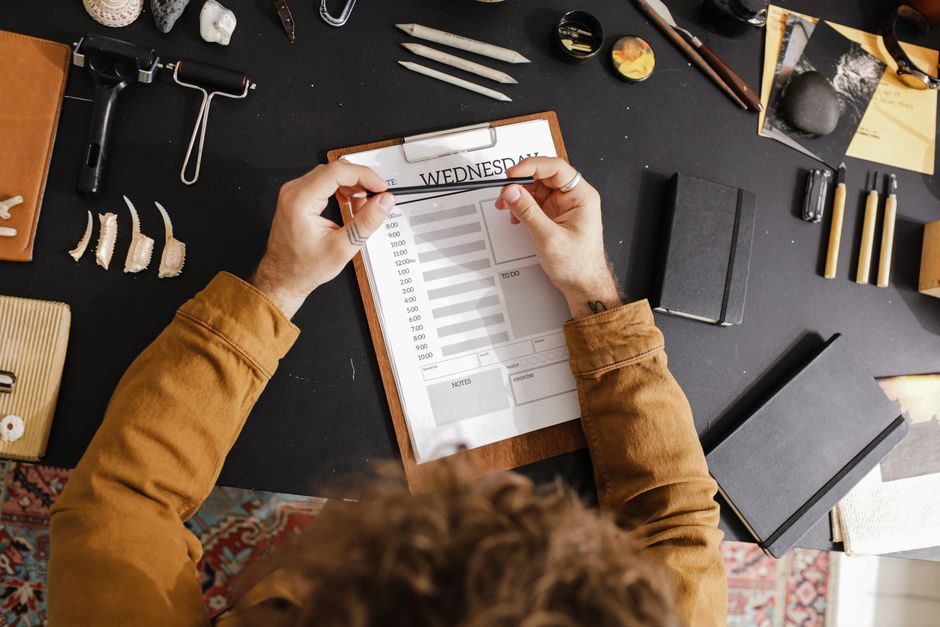
Build the run of show around what attendees need to do and know at each point, from arrival through departure. Include check-in, opening remarks, the main discussion, breaks, and a clear close, with a named owner for every transition. If paid articles are under consideration for event visibility, compare options to buy sponsored posts with other promotion channels before committing.
Give every agenda item a realistic duration and identify what can be shortened if a speaker runs late. For example, reduce an open networking period slightly before cutting the time reserved for participant questions. A flexible schedule protects the event’s central purpose while helping the host team make calm decisions in the moment.
Write down practical cues for speakers and staff, such as where to stand, when a slide deck is needed, and who introduces each guest. Send presenters the timing and format in advance, then confirm their arrival and equipment needs. A concise shared document is more useful during a live event than a detailed plan no one can quickly find.
- Assign an owner to each agenda item.
- Add transitions and setup time.
- Mark items that can be shortened.
- Confirm speaker and equipment needs.
Coordinate the Live Details
Make the event-day version easy to scan by putting times, task owners, contact details, and backup actions in one place. Share it with the people who will manage check-in, speakers, technology, and attendee questions. Keep a printed copy or an offline version available in case a device or venue connection fails.
Check the room or online platform against the agenda before attendees arrive. Test microphones, presentation files, name badges, links, and any joining instructions, then make sure a staff member knows how to handle a failure. A brief rehearsal can uncover confusing handoffs that are difficult to fix once the audience is present.
Choose one person to make real-time schedule decisions and tell the team how to reach that person. Other staff should focus on their assigned tasks rather than issuing conflicting instructions. After each major agenda transition, confirm the next speaker and setup are ready, which catches small delays before they become disruptive.
Avoid common planning and follow-up mistakes
Protect the Event’s Purpose
Keep the agenda tied to the business goal, and remove activities that do not help attendees learn, decide, or make relevant connections. A crowded schedule can leave no time for the conversations that justified the event in the first place. If an announcement is genuinely newsworthy, press release distribution uk may be an option, provided the outlets reach the intended audience.
- Protect time for useful discussion.
- Set accurate attendee expectations.
- Assign follow-up before event day.
Avoid inviting people with vague descriptions of what they will gain. State the topic, who should attend, and what participants can expect to take away, without promising outcomes the host cannot control. Clear expectations help attendees decide whether the event fits their needs and reduce the chance of disappointment after they arrive.
Plan follow-up before the event rather than improvising afterward. Decide who will send materials, when the team will contact attendees, and how requests for introductions or information will be routed. This preparation prevents promising conversations from disappearing into an inbox and helps the team respond consistently, including to people who could not attend.
- Keep agenda items connected to the goal.
- Describe the audience and takeaways clearly.
- Assign follow-up ownership in advance.
- Avoid promises outside your control.
Close the Follow-Up Loop
Send a timely, specific follow-up that reflects what happened rather than a generic thank-you alone. Share promised slides or resources, restate any agreed next steps, and provide a direct contact for questions. If attendees met through a facilitated discussion, help them continue the conversation only when they have agreed to be connected.
Do not treat registration as proof that someone attended or engaged. Keep attendance records accurate, and distinguish people who joined from those who could not make it when sending later messages. That small distinction helps the follow-up feel relevant and gives the team a more honest picture of how the event performed.
Avoid collecting contact details without explaining how they will be used. Tell attendees whether their information is needed for event logistics, follow-up, or another stated purpose, and handle it accordingly. A careful approach protects trust and makes future invitations more welcome than a sudden stream of unrelated messages.
Use attendee feedback to improve the next event
Ask Focused Questions
Ask a few targeted questions that connect directly to the event’s goal, such as whether the discussion was relevant and which session was most useful. Keep the request brief and send it while the experience is still fresh. Specific questions are easier to answer and more actionable than a broad prompt asking attendees to rate everything.
- Review responses for repeated themes.
- Compare comments with the event goal.
- Choose one change to test next time.
- Assign an owner to make that change.
Offer a way to explain an answer, but do not make every response require a written comment. A short choice-based question can reveal a pattern, while an optional text field may uncover a scheduling or access issue the team had not considered. Use plain language and avoid leading questions that steer people toward praise.
Invite feedback from people who attended and, where appropriate, ask registrants who missed the event what prevented them from joining. Those groups can point to different problems: one may identify a weak agenda, while the other may flag timing or communication. Keep the questions respectful and avoid assuming why anyone did not attend.
- Ask about relevance to the stated goal.
- Include an optional comment field.
- Separate attendee and no-show feedback.
- Keep the request concise.
Turn Responses Into Changes
Review feedback alongside practical records such as attendance, session timing, and questions raised during the event. Comments explain how the experience felt, while operational details can show where a delay or unclear handoff occurred. Looking at both helps distinguish a one-off preference from a fix that could improve the next event for many attendees.
Choose a small number of changes that address a clear problem, and record why each one was selected. If attendees valued discussion but found the opening too long, the next agenda could shorten introductions and protect more conversation time. Avoid changing every element at once, because that makes it harder to tell which adjustment helped.
Close the loop with attendees when their feedback leads to a visible change. A brief note in a future invitation can explain that the team adjusted the format or timing based on prior responses. Keep the message factual, and continue gathering feedback so each event improves through evidence rather than assumptions.
Frequently asked questions
How far ahead should a business event be planned?Set the planning window based on the event’s complexity, audience, and venue needs. A small internal or local gathering may need less lead time than a conference involving outside speakers, travel, or multiple vendors. Work backward from the event date, allowing time for approvals, invitations, registration, and a final operational check. If key details remain uncertain, avoid promoting promises the team may need to change.
What is a good way to encourage useful networking?Give attendees a reason and structure to begin conversations, rather than relying only on an open reception. You might use small discussion groups around a shared business challenge, guided introductions, or a short question prompt related to the event topic. Make participation optional and leave enough unstructured time for people to continue conversations that prove relevant.
How can a team tell whether an event worked?Start with the goal you set before planning, then choose measures that show whether the event advanced it. Depending on the format, that could include attendance by the intended audience, useful questions raised, agreed follow-up meetings, or attendee feedback about the content. A full room alone is not proof of success if participants were not the people the event aimed to reach.
What should a team do when registration is low?First check whether the invitation clearly explains the audience, topic, format, and practical value. Then review whether it reached the right people and whether the date or access details create avoidable barriers. Contact likely attendees directly where appropriate, and consider adjusting the format or postponing only after weighing costs, commitments, and the event’s core purpose.
Make the next event easier to improve
Useful business events depend on more than a strong idea: they need a defined audience, a realistic agenda, clear ownership, and follow-up that respects attendees’ time. Outside support can help when it reaches the right people, but the host team should retain control of the goal and message. Feedback then shows which parts deserve to stay and which need a change.
For your next event, write down its business purpose and the one outcome attendees should leave with. Use that statement to choose the format, assign owners, and shape the run of show; afterward, ask focused questions and select one practical improvement. A disciplined cycle makes each gathering more relevant without adding complexity your team cannot sustain.
Add Latest Business News as a preferred source on Google


