How Education News PL headlines sharpen entertainment insights
A practical guide for entertainment readers: how Education News PL headlines can inform storytelling, beats, and audience relevance without leaving the entertai

When a studio or streamer plugs a new film, a quick, clear headline helps fans decide if it’s worth watching. This piece shows how Education News PL headlines can guide editors toward sharper entertainment storytelling, not newsroom jargon. You’ll learn practical steps to translate education topics into engaging, consumer-friendly copy.
First, identify the core idea of a headline and what it promises the reader. Then, test two or three phrasing options to see which feels most natural for a movie, music, or gaming audience. Finally, apply a consistent tone that fits your site, so readers trust that education news can live beside pop culture content.
By the end, you’ll have a straightforward framework to pick or craft headlines that respect the entertainment context while staying informative for curious readers. This approach keeps articles accessible, timely, and ready to share across social feeds.
- Educational headlines can guide entertainment readers to take notice without losing the fun. Start with a clear angle that ties to a movie, show, or game moment. Maintain a consistent voice to build trust across previews and reviews.
- Focus on concrete impact: what the reader gains, who benefits, and why this matters for pop culture stories.
- Keep language tight, test a couple of options, and use a logical structure so the headline feels inevitable rather than forced.
Basics that matter
Purpose and audience
Start with the reader in mind. Ask what a headline must promise to make someone click, then deliver that promise in a single, clear line. For entertainment readers, tie the education angle to a film, show, or game moment so the topic feels relevant rather than distant. Education News PL headlines
Use plain language and concrete terms. Replace jargon with everyday words that anyone might use while watching a trailer or scrolling through a feed. The result should feel natural on a page that already hosts reviews and features.
Avoid overloading with statistics or qualifiers; a strong headline relies on a specific angle and relatable stakes. If a story could affect a character or plot, frame it around that hook to keep it engaging.
Common pitfalls to avoid: vague claims, overcomplication, and mismatched tone.
- Keep the core idea visible in the first 8 words
- Mention the entertainment hook alongside the education angle
- Prefer active verbs over passive phrasing
- Avoid generic phrases that could fit any topic
- Test one sentence against a second option and pick the sharper version
How to translate topics
From topic to angle
Take a broad Education News PL topic and pull out a concrete angle tied to a character, plot, or trend in entertainment. This makes the information feel alive rather than abstract. A useful resource on this topic: add an event to the USA events calendar.
Give the angle a human payoff. Readers should sense what they gain by reading, whether it’s a new context for a film’s theme or a fresh lens on a celebrity interview related to policy or schooling.
Keep the sentence compact and evocative. Short, punchy lines perform better on social shares and thumbnails.
Options for tone
Formal vs. playful
Choose a tone that matches your site’s voice. If your magazine leans entertaining, a light, witty cadence often works while preserving clarity about the education angle. A useful resource on this topic: register your company in the USA.
- Is the headline clear on the angle?
- Does it fit the entertainment context?
- Is the language accessible to a broad audience
A more formal tone can work for feature pieces that need credibility, but it should still feel accessible to a broad audience and never talk down to readers.
Include a touch of personality where appropriate, but avoid gimmicks that distract from the core idea.
- Playful tone for lighter features
- Crucial info should never be buried in jokes
- Consistency across headlines builds reader trust
- Avoid sarcasm that might alienate non-native readers
Test whether the headline would still make sense if the reader isn’t familiar with every education term.
Clarity vs. buzz

Avoiding fluff
Skip filler words and empty adjectives. Each headline should carry weight through precise wording that conveys value and appeal. A useful resource on this topic: post a classified ad in the USA.
Test whether the headline would still make sense if the reader isn’t familiar with every education term. Clarity invites a wider audience to engage with the piece.
Consider the visual impact: shorter headlines often perform better in thumbnails and social previews.
- Use specific nouns and verbs
- Limit modifiers to one or none
- Prioritize readability over cleverness
- Aim for a fixed image prompt synergy
Advanced tricks
Sneaky wording that sells
Start with a concrete hook that ties education news to entertainment. Describe how a single headline tweak can shift audience perception from dry policy to relatable culture. Give an example of a headline rewritten to focus on impact on daily life. place an obituary in the USA
Then show how to pair that twist with a visuals choice: a journalistically styled photo of a classroom scene or students in a cafe discussing a project. This keeps the piece lively without losing clarity. Use a short example to demonstrate the shift from abstract to concrete.
End with a practical takeaway: use one sensory detail and one consequence to make the headline sing. If a reader can picture the outcome, they’ll want to read more.
- Use concrete verbs
- Highlight human impact
- Tie to entertainment angles
- Test with a quick reader check
Reader engagement tactics
Commentary prompts that spark conversation
Invite readers to share opinions by posing a clear question at the end of the headline. For example, link a policy shift to a character’s reaction in a movie or show. This makes the piece feel like a conversation rather than a lecture.
Describe how to moderate comments without stifling debate. Offer a few ground rules and a friendly tone to keep discussions constructive. Show how engagement can reveal audience favorites and blind spots in coverage.
Close with a practical action: track which prompts generate the most discussion and adapt future headlines accordingly. This turns an initial audience cue into a measurable feedback loop.
- Ask specific questions
- Encourage storytelling
- Set clear guidelines
- Monitor and adapt
Platform optimizations
Formats that travel across channels
Explain why a compact, modular headline works across platforms from social feeds to push notifications. Show how to adapt length and tone without losing core meaning. Give an example of a headline that scales from tweet to feature story.
- ☐ Draft in one go
- ☐ Trim per channel
- ☐ Verify accessibility
Discuss metadata: alt text, summaries, and tags that help discovery without clutter. These small details make entertainment readers more likely to click and share. Provide practical tips for consistent labeling across teams.
Offer a simple workflow: draft, trim for platforms, add a one-line hook, and verify accessibility. The process should be repeatable and fast so editors can respond to trending topics.
- Create modular headlines
- Use consistent metadata
- Maintain accessibility
- Streamline workflow
Final checks and workflows
Quality gates before publication
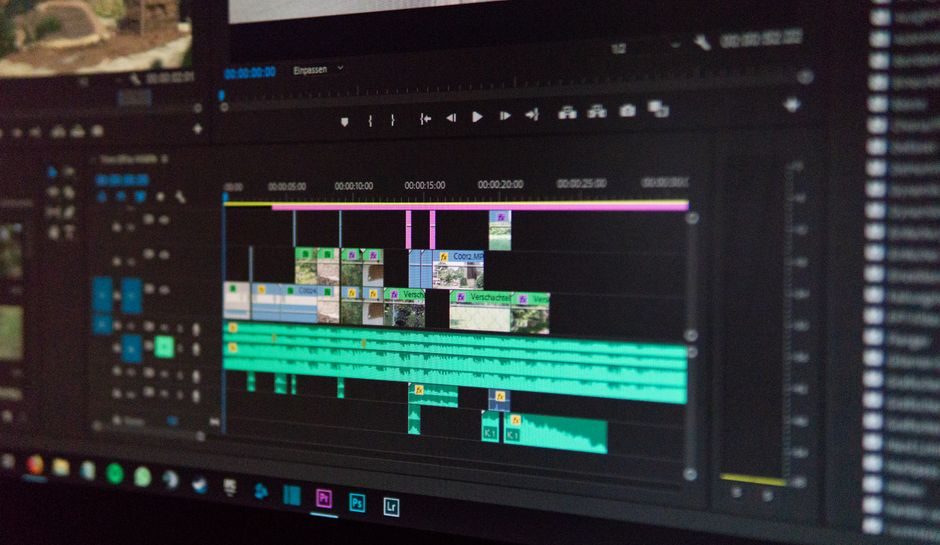
Outline a checklist that editors use before any Education News PL headline goes live. Include clarity, relevance to entertainment readers, and avoidance of overreach. A strong check is whether a non-specialist reader would understand the topic.
Describe a quick peer-review step that keeps tone consistent and fun without sacrificing accuracy. Assign a small, specific role to each reviewer so the process stays efficient.
End with a reminder of the importance of pacing: even strong headlines lose impact if the accompanying copy drags. A tight alignment between headline and body sustains trust.
- Clarity and relevance
- Peer-review roles
- Tone consistency
- Pacing alignment
Frequently asked questions
Why blend education news with entertainment angles?This approach makes complex or dry topics feel relevant to fans of movies, music, and games. Readers grasp how policy or learning trends touch everyday life and pop culture, which drives longer engagement.
How do you keep headlines accurate but lively?Lead with a factual hook, then add a human or cultural reference that clarifies significance. Avoid sensational phrasing and verify the claim with a reliable source before publishing.
What workflow supports fast publishing?Draft multiple variants, run a quick cross-platform trim, verify tone, and assign one reviewer for consistency. This keeps speed without sacrificing clarity.
How can I measure headline success beyond clicks?Look at time-on-page, social shares, and reader comments to gauge engagement quality. Use those signals to refine tone and topics for future stories.
Final word and next steps
The headline craft here is about marrying education topics to the pulse of entertainment, so readers feel the story belongs on their screens. Keep the core message clear, then layer in relatable moments that echo in popular culture.
Add Latest Business News as a preferred source on Google


