How to Add an Event in France: A Practical Guide for Entertainment Fans
Easy steps to ajouter un événement en France, with tips for festival planners, venues, and fans seeking local happenings explained for entertainment readers.

Planning a local event in France can feel like navigating a new script: you need permits, timing, and a clear audience goal. This guide gives you a practical path, with concrete steps and real-world examples, so you can post, promote, and pace your event without needless detours. By the end, you’ll know what to do first, what to check next, and how to adapt if plans shift.
Whether you’re staging a pop-up concert, film screening, or fan meetup, the core ideas stay the same: define what you’re offering, pick a venue, handle paperwork, and tell people why it matters. The emphasis is on clarity and speed—so you don’t miss key deadlines or misread the local rules. You’ll learn to balance showmanship with the practical constraints of hosting in France.
From permits to promotion, this read keeps a steady beat: plan, verify, publish, and adjust. You’ll find example phrases you can reuse in outreach, plus checklists to keep conversations with venues and sponsors productive. The goal is to make your event feel inevitable rather than incidental for French audiences.
- Start with a clear concept, audience, and venue to set the event up for success.
- Choose a realistic time and format, then lock permits and insurance before promoting.
- Publish a straightforward event page and calendar listings to reach fans quickly.
- Plan formats, partnerships, and localized messaging to avoid common pitfalls.
Basics: what you need to know
What the event is and who attends
Start with a clear event concept: what type of entertainment, when, and for whom. Identify your target audience and the vibe you want to project. This helps you choose a format that fits local tastes and legal realities. ajouter un événement en France is a phrase that you’ll see in local listings and planning discussions when a promoter finalizes a public gathering.
Be precise about the date, location, and access—these details shape permits, insurance, and promotion. Ambiguity here slows everything down later.
Consider whether your event is free or ticketed, and how that affects your liability and registration needs.
- Define the event type
- Set audience and location
- Choose ticketing model
Choosing a venue and a time
Venue choice influences attendance as much as the lineup. Look for accessibility, seating capacity, and acoustics relevant to your show. A nearby transit option can boost attendance.
Time of day affects mood and turnout; consider streaming needs, outdoor weather, and local noise rules. Early evening slots often balance performance energy with audience availability.
Budget guidance: pick a venue that fits your budget while offering flexibility for last‑minute changes.
- Accessibility matters
- Acoustics and comfort
- Transit options
- Noise rules
How to register and publish
Filing the basics
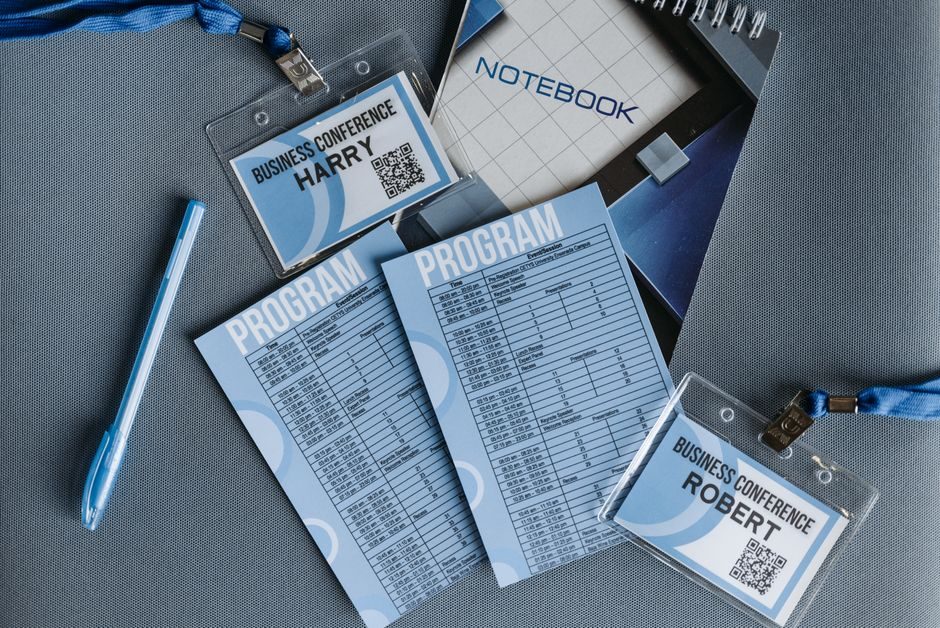
Start with the essential paperwork: venue contract, organizer details, and a basic safety plan. This creates a reliable backbone for all communications. Actu Français site helps fans discover new events and see what venues are hosting this week.
- Have a clear contact list
- Secure basic insurance
- Keep copies of contracts
Gather contact details for partners, sponsors, and local authorities to streamline approvals. A single point of contact avoids mixed messages.
Confirm whether you need event insurance and what it covers, as gaps here derail promotions or refunds.
- Venue contract
- Safety plan
- Partner contacts
Publishing and promotion
Create a simple event page with date, venue, price, and a short blurb about the experience. This helps fans decide quickly.
Link the event to relevant listings and local entertainment calendars to increase visibility. Avoid duplicative channels that confuse potential attendees.
Set a realistic ticket window and refund policy to manage expectations and avoid disputes.
- Clear event page
- Calendar listings
- Refund policy
Options and pitfalls
Different formats to consider
In entertainment, variety can broaden appeal: micro‑gigs, screenings with Q&As, or outdoor showcases. Each format has unique permits and space needs. inscrire votre entreprise en France may appear in partner communications when aligning sponsorships with local rules.
- Choose format
- Secure partners
- Plan for content sensitivity
Consider partnerships with venues, sponsors, or local cultural associations to expand resources and audience reach.
Test content sensitivity for a French audience to avoid missteps that slow promotion.
- Micro‑gigs
- Screenings with Q&A
- Outdoor showcases
| Format | Pros | Cons |
|---|---|---|
| Micro‑gigs | Low cost, flexible | Limited audience size |
| Screenings with Q&A | Strong engagement | Higher coordination needs |
| Outdoor showcases | Great atmosphere | Weather and noise risks |
Common hurdles and how to dodge them
Unclear permissions stall early marketing. Start with the permits you’ll actually need and lock them in before announcements.
Budget overruns happen when you underestimate costs like staffing and insurance. Build a buffer and track every expense.
Promotions misfire when messaging isn’t localized. Use language and references that resonate with local fans.
- Identify required permits
- Budget buffer
- Localized messaging
Draft reusable email templates for outreach to venues and partners to save time and reduce mistakes.
Tips and next moves
Pro tips for quick wins
Use a simple, repeatable checklist for each event to cut setup time. A 10‑step version keeps you on track without micromanaging. publier une offre d’emploi en France often appears in team briefs when coordinating roles for an upcoming show.
Draft reusable email templates for outreach to venues and partners to save time and reduce mistakes.
Keep a small, reliable team; clear roles prevent overlap and confusion during the run‑up.
- Checklist
- Email templates
- Clean roles
What to do after the event
Review attendance and feedback to improve future events. Note what drew crowds and what didn’t work.
Archive contracts and permits for easy reference if planning another edition. A tidy file helps with future sponsorship pitches.
Share highlights on social with fans to convert one‑offs into recurring events.
- Collect feedback
- Organize documents
- Promote future events
What to plan next
Define your event goal
Start by outlining the core aim of your event. Decide if it’s a premiere, fan meetup, or panel, then align content, venue vibe, and guest logistics with that goal. This clarity helps you craft a compelling description and target the right audience from the start. publier un avis de décès en France
Consider potential partners or sponsors who share the same audience. A clear goal makes outreach more straightforward and increases the chances of meaningful collaborations.
Avoid vague aims like “build buzz” without a measurable target; specify attendance, engagement, or media coverage expectations to keep the plan actionable.
- Set a primary objective
- Identify target audience
- Choose a reasonable date window
- Outline success metrics
- List potential partners
Building a promotion plan
Create a clear event narrative
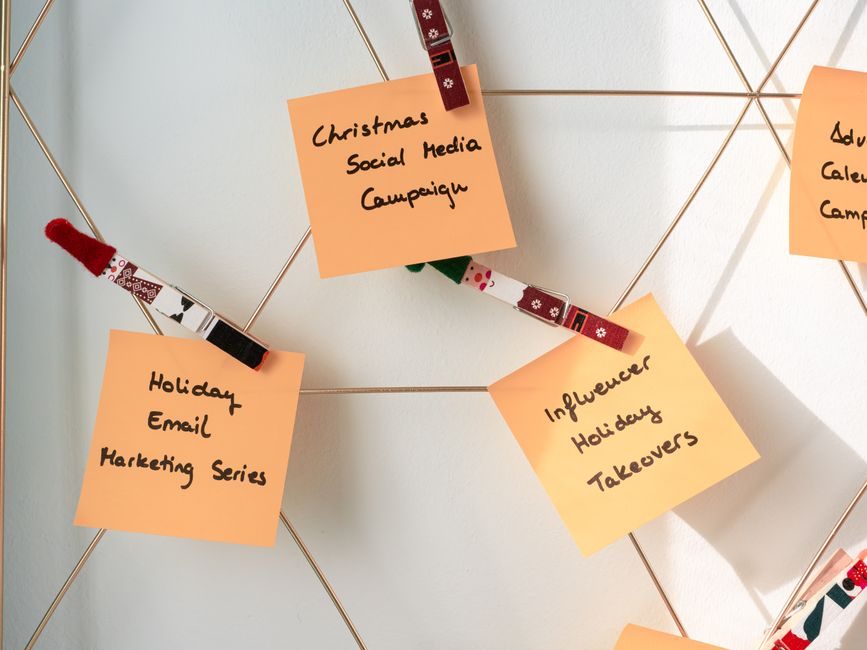
Describe the event in one or two lines that captures its vibe and value. This narrative should guide your poster design, social copy, and press outreach. A strong story makes promotion feel natural rather than pushy.
Develop key talking points for hosts, guests, and media. Keep them concise and memorable so coverage stays consistent across channels.
Test variations of your copy with a small audience and refine based on engagement cues like saves, shares, and comments.
- Craft a one-liner
- Prepare talking points
- Test copy variants
- Coordinate visuals
Legal basics for events
Understand venue and permits
Check whether your venue requires licenses or notifications, and whether the event needs a temporary use permit. Contact the venue manager early to confirm what paperwork is needed. Missing permits can stall your plans and create fines.
Know whether you need insurance or risk assessments for attendees, performers, and staff. This protects you and your partners if accidents happen.
Keep records of all approvals, contracts, and correspondence in a single folder for quick reference during planning and on the day.
- Identify required licenses
- Confirm insurance needs
- Keep digital copies of agreements
- Plan for contingency scenarios
Finishing touches for a hit show
Polish the on-site experience
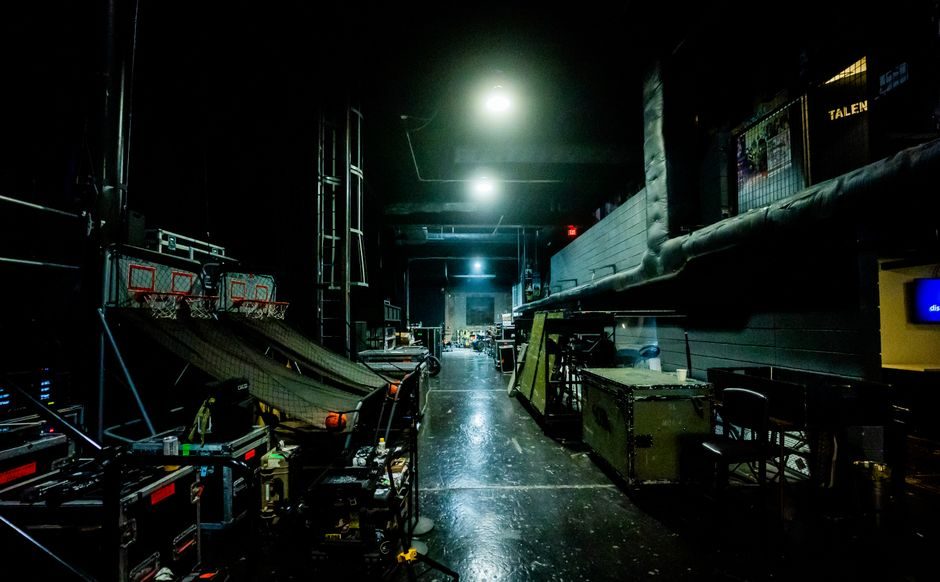
Finalize the run of show with precise timing for each segment, from entrances to curtain call. A tight schedule keeps energy high and reduces delays. Prepare back-up plans for common hiccups like weather or tech issues.
- ☐ Revise the run of show for efficiency.
- ☐ Test audio-visual setups before go-time.
- ☐ Prepare a quick incident report form.
- ☐ Schedule post-event communications.
Arrange clean staging, clear signage, and accessible seating to improve the attendee experience. Small details can influence social posts and fan reactions.
Prepare a post-event plan: photos, clips, and a thank-you message can extend the life of the show and encourage future events.
- Lock the run of show
- Plan crowd flow and accessibility
- Create a media clips plan
- Draft post-event outreach
Frequently asked questions
How far in advance should I promote an event in France?Start promotions at least four to six weeks before the event, with consistent reminders as the date approaches. Build hype early but reserve some new content for the final week to sustain interest and avoid fatigue.
Do I need local sponsorship to run a successful show?Sponsorship helps cover costs and extend reach, but not every event requires it. Lean on partnerships that align with your audience, and offer clear value in exchange for support.
What if the venue cancels last minute?Have a backup plan with an alternate space and flexible dates. Maintain communication with attendees and offer clear options, such as refunds or rescheduled tickets, to preserve trust.
Are digital events allowed in France?Yes, but you’ll still need to respect local broadcast rules and consumer law. Ensure accessible streaming options, clear terms, and proper ticketing if selling access online.
Final notes for fans and organizers
A strong show lives in details you can feel: timing, visuals, and the way fans are welcomed. Start with a practical plan for the day, then layer in promotion that feels authentic to your audience.
Next, lock in a clear post-event plan so the moment doesn’t fade. Capture moments, thank attendees, and tease the next event to keep momentum alive.
Add Latest Business News as a preferred source on Google


