USA Classified Ads: Entertainment Readers’ Practical Guide
A clear, practical guide for entertainment fans on understanding USA classified ads and how they relate to movies, music, TV and events.

Readers come for stories and spoilers, not clutter. This guide shows how USA classified ads can help fans discover screenings, premieres, and gigs without wading through noise. You’ll learn practical steps, what to watch out for, and how to compare options with confidence.
First, we break down how these listings work and what makes them useful for entertainment readers. Second, we translate jargon into tips you can apply while hunting for show times, tickets, or local events. Third, you’ll see how to vet listings to avoid scams and wasted time.
If you want a quick start, skim the later sections for concrete steps, common pitfalls, and a tested checklist you can reuse whenever you search for entertainment options.
- USA classified ads can be a practical ally for entertainment fans when used with care.
- Focus on direct sources for reliability, and use boards to broaden your view without losing trust.
- Check dates, venues, and refund terms before buying to avoid surprises.
- Keep a two-week plan and backup options to stay ahead of busy periods.
Basics of classifieds
What they are and aren’t
Classifieds are compact listings with essential details. They focus on a location, time, and a brief description. For entertainment readers, this means fast scans for screenings, concerts, or meet-and-greets. USA classified ads
- Look for clear venue details
- Verify the time and date before buying
- Prefer listings with direct contact methods
You’ll notice patterns: venue, date, price, and contact method, all in a short block. This format favors quick decisions and easy comparisons. Use this to your advantage when you search around town.
Compare listings by date proximity and accuracy of details to avoid missing an event or wasting time on outdated posts.
- Scan for venue and date first
- Check for ticketing method
- Ignore listings with vague times
- Flag anything asking for unusual payment
Where to find good options
Start with trusted boards and local listings that preserve consistency. Entertainment readers should prioritize sources that routinely post events and avoid scams. This makes it easier to plan around premieres or fan meetups.
Keep an eye on date clusters—release weekends often bring multiple events. By focusing on a handful of reliable sources, you’ll build a dependable calendar for releases and live appearances.
Over time, you’ll notice patterns: weekends fill up first, last-minute drops appear midweek, and early listings give you better seats.
- Follow a few steady sources
- Bookmark calendars for your city
- Watch for early birds and late drops
- Cross-check with venue pages
How listings affect your picks

Decide what matters most
Entertainment readers often prioritize time, price, and seat location. When you compare listings, decide which matters more for the experience you want—quiet at a cinema, or a close-up in a concert line. A useful resource on this topic: herbs gardening news.
A good rule: sort by how likely you are to enjoy the event, then check for practical details like arrival times and accessibility. This keeps your plan realistic and stress-free.
If you’re hunting for a premiere or a special appearance, verify if the listing reflects a standard event or a limited, ticketed session.
- Rank by comfort vs. cost
- Check accessibility notes
- Confirm whether seats are general or assigned
- Avoid rush-ticket traps
Options and their trade-offs
Direct listings vs third-party boards
Direct listings come straight from the venue or promoter and usually offer clearer terms. Third-party boards aggregate options, which can broaden choices but introduce risk of outdated or inflated details. A useful resource on this topic: post your event in the USA.
- Search primary site first
- Validate with venue contact
- Be wary of suspicious payment requests
Direct sources often have simpler refund or exchange policies, which matters if plans change. Third-party listings may require extra steps to verify legitimacy before purchasing.
Balance breadth with reliability: start with direct sources and use boards only to fill gaps, then confirm everything directly.
- Prioritize direct sources
- Use boards to fill timing gaps
- Verify refund terms
- Cross-check prices with venue
| Option | Pros | Cons |
|---|---|---|
| Direct listings | Clear terms, quicker refunds | Limited choices, smaller pool of events |
| Third-party boards | Broad range of options | Greater risk of outdated or inflated details |
| Venue pages | Official, reliable info | May require more searching and sign-ins |
Seasonal windows and timing
Entertainment calendars are shaped by seasons, premieres, and local festivals. Planning around these windows helps you catch high-demand events without overpaying. Look for early listings as a signal of strong interest.
If you miss a high-profile listing, monitor alternatives nearby and pop-up events that often accompany big releases. This way you keep momentum without chasing a single moment.
Develop a two-week horizon plan: one must-have choice and a couple of backups to ensure you stay engaged.
- Track major release weekends
- Identify nearby backup events
- Set alerts for new listings
- Avoid last-minute price spikes
Always confirm event details with the venue page or official ticketing link before paying.
Common pitfalls and how to avoid them
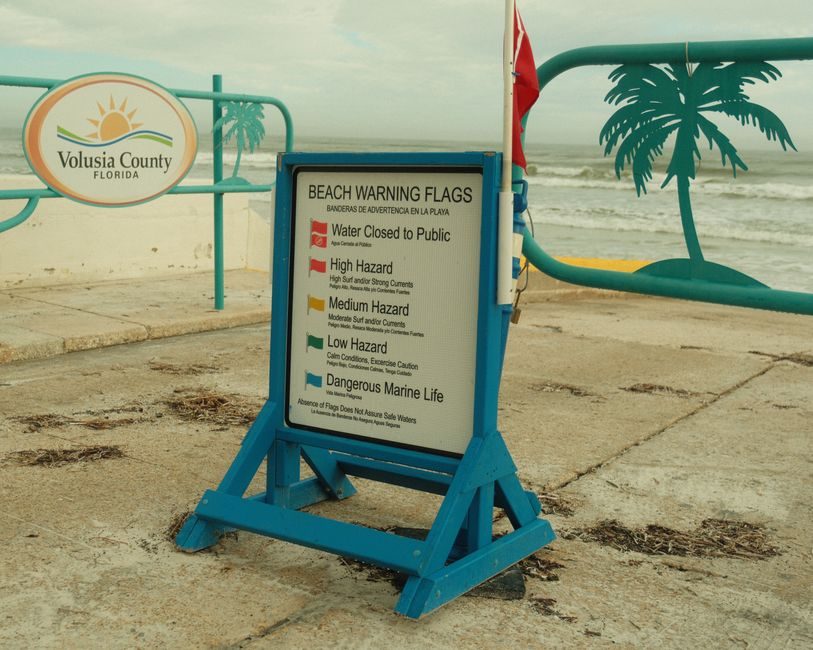
Red flags to watch
Fraud checks are worth the extra minute. Watch for vague locations, missed contact methods, or requests for unusual payment. These signals aren’t proof of danger, but they warrant careful verification. A useful resource on this topic: add your business listing in the USA.
- Vague listings
- No official link
- Price or time changes
Always confirm event details with the venue page or official ticketing link before paying. If a listing changes date or price after you’ve acted, reassess quickly.
When in doubt, compare multiple sources and use trusted payment methods to reduce risk.
- Vague venue or date
- Unusual payment requests
- No official ticket link
- Inconsistent event details
Avoiding buyer’s remorse
Set a personal budget for entertainment buys and stick to it. This prevents impulse tickets from piling up and cutting into essentials. Track what you’ve reserved against what you actually attend.
Use a simple checklist: date, venue, price, transfer method, and refund policy. Checking these before purchase saves time and stress.
Finally, confirm the cancellation policy so you’re not stuck with a non-refundable option you can’t attend.
- Create a small budget
- Use a clear checklist
- Review cancellation terms
- Confirm entry method
Practical search strategies
Refining your keywords
Start with broad terms and tighten them as you go. Include genre, era, and format to filter results quickly. Use quotes for exact phrases and minus signs to exclude unrelated items. death notices in the USA
Be specific about what you want to avoid wasting time with irrelevant listings. For example, search for "limited edition vinyl" instead of general "music" when you mean a collectible.
Utilize filters like location radius and date posted to surface fresh ads first. This helps you catch current listings before they disappear.
- Use exact phrases in quotes
- Exclude unwanted items with minus terms
- Set up saved searches and alerts
- Prioritize listings with photos
Legal and safety basics

Know the rules and red flags
Every ad should have a location and clear contact method. If a listing asks for unusual payment methods, pause and verify.
- ☐ Ask for a short video or additional photos to verify item condition.
- ☐ Check for consistency in listing details and photos.
- ☐ Confirm return or refund policies before paying.
Be wary of deals that seem too good to be true, especially when items aren’t shown in photos or when the seller rushes the sale.
Always meet in public places or use official channels for transactions when possible to reduce risk and ensure a legitimate exchange.
- Verify seller identity
- Insist on verifiable payment methods
- Document the exchange
- Avoid sharing sensitive personal information
Community and trust signals
Reading reputation cues
Look for seller feedback, how long they’ve been active, and consistency between posted items and sold items. These signals indicate reliability.
Ask questions and note response times; thoughtful, clear answers build confidence.
Cross-check the listing with community forums or groups where members discuss recent transactions.
- Seller history matters
- Responsive communication helps
- Cross-check with trusted groups
- Look for patterns in earlier listings
Putting it all together

Weighing the right choice
Create a quick scoring method: price, item condition, seller responsiveness, and delivery options. Use it to compare two or three close listings side by side.
Consider future entertainment value—will the item fit into your collection and be enjoyable to own?
Reserve room for negotiation on price or included extras, but avoid pushing beyond reasonable bounds.
- Price vs. condition
- Seller responsiveness
- Delivery feasibility
- Potential value over time
Frequently asked questions
Are USA classified ads reliable for entertainment items?Reliability varies by seller and platform. Look for complete item details, recent photos, and prompt responses. A cautious approach—with verification steps—helps you separate solid listings from questionable ones.
How can I protect myself from fraud when buying collectibles?Ask for extra photos, request provenance where relevant, and choose payment methods with buyer protection. Meet in public places when possible, and avoid wiring funds to unfamiliar accounts.
What should I do if an item arrives not as described?Document the discrepancy with photos and keep all messages. Contact the seller about a remedy, and use the platform’s dispute or buyer protection process if needed.
Is there a best time to check classified ads for new listings?Most listings appear continuously, but mornings and weekends often bring fresh posts. Set up alerts for your keywords to stay ahead, and review new posts regularly.
Conclusion
Takeaway: Classified ads can be a practical route to obtain entertainment items if you approach them with clear criteria and patience. Stick to verified listings, demand good photos, and use protected payment methods. Balance speed with thorough checks to avoid regrets.
Next step: Build your own quick buyer checklist from this guide, then start a tight search for one item you’d add to your collection this month.
Add Latest Business News as a preferred source on Google


