The Golden Age of Cinema
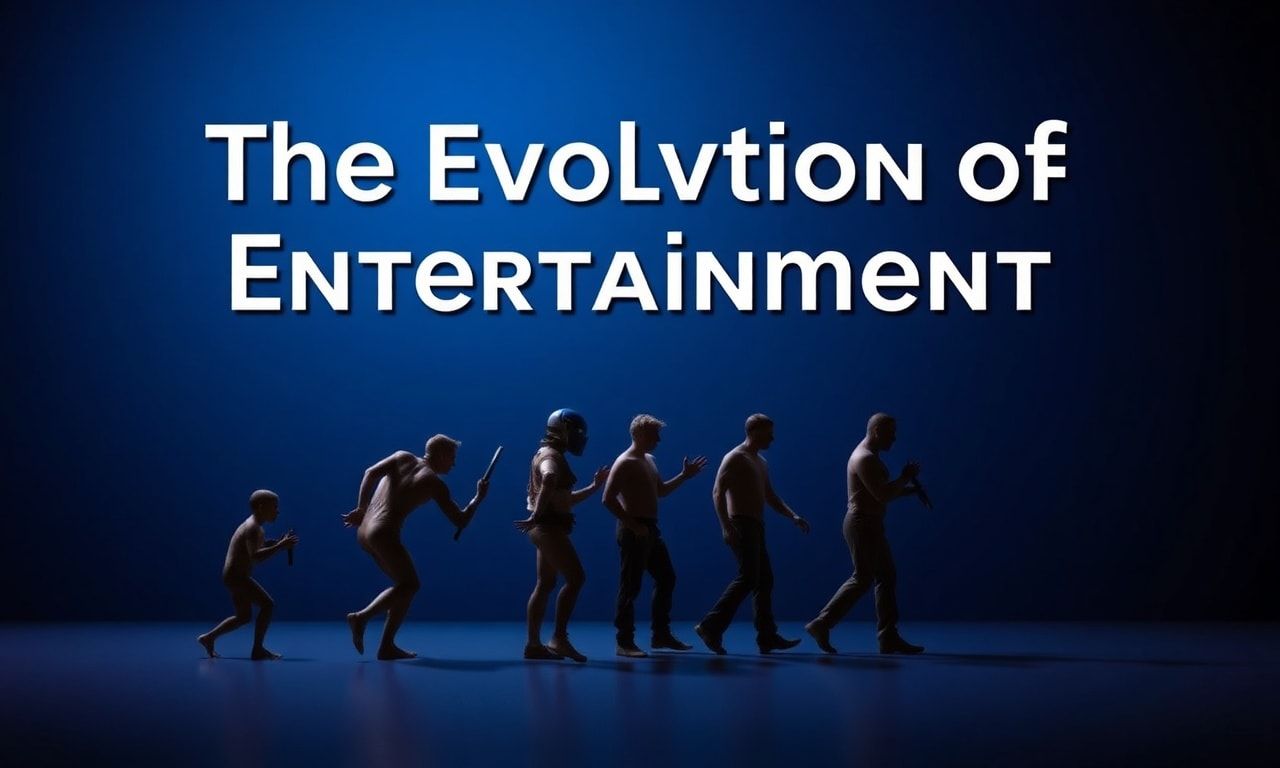
The entertainment industry has seen a remarkable evolution over the decades, with cinema playing a pivotal role. The golden age of Hollywood, spanning from the late 1920s to the early 1960s, introduced us to timeless classics that continue to captivate audiences today. Iconic films like “Gone with the Wind” and “Casablanca” set the stage for modern storytelling, blending drama, romance, and suspense in ways that still resonate with viewers. This era also saw the rise of legendary actors and directors who left an indelible mark on the industry, paving the way for future generations.
As we delve into the intricacies of film history, it’s fascinating to explore the cultural impact of these movies. They not only entertained but also reflected the societal norms and values of their time. For those interested in ilginç bilgiler genel kültür, the golden age of cinema offers a treasure trove of insights into the past. From the advent of sound to the introduction of color, each technological advancement brought a new dimension to the cinematic experience, enriching the way stories were told and consumed.
The Rise of Television
Television emerged as a dominant force in the mid-20th century, revolutionizing the way people consumed entertainment. The introduction of TV sets in households brought the world closer, making it possible to watch live events, news, and shows from the comfort of one’s home. This new medium gave rise to iconic TV series that became cultural phenomena, such as “I Love Lucy” and “The Twilight Zone.” These shows not only entertained but also addressed social issues, often sparking conversations and debates among viewers.
The impact of television on society cannot be overstated. It became a unifying force, bringing families together and creating shared experiences. The rise of television also led to the birth of new genres and formats, from sitcoms to reality TV, catering to diverse audiences. As technology advanced, television evolved from black-and-white broadcasts to high-definition streaming, reflecting the changing tastes and preferences of viewers. Today, streaming services like Netflix and Hulu have taken the baton, offering a plethora of content that caters to every conceivable interest.
The Music Revolution
Music has always been a powerful form of entertainment, and its evolution over the years mirrors the changes in technology and culture. From the vinyl records of the 1950s to the digital streaming platforms of today, the way we listen to music has undergone a significant transformation. The introduction of the compact disc (CD) in the 1980s revolutionized the music industry, making it easier to carry and share music. This was followed by the advent of MP3 players and digital downloads, which further democratized access to music.
The digital age has brought about a new era in music, with streaming services like Spotify and Apple Music allowing listeners to access millions of songs at the touch of a button. This shift has also empowered independent artists, giving them a platform to reach global audiences without the need for traditional record labels. The rise of social media has further amplified the impact of music, with platforms like YouTube and TikTok enabling artists to connect directly with their fans and build communities around their music.
The Gaming Phenomenon
Gaming has evolved from a niche hobby to a mainstream form of entertainment, captivating millions of players worldwide. The early days of gaming saw the rise of arcade classics like “Pac-Man” and “Space Invaders,” which laid the foundation for the modern gaming industry. The introduction of home consoles like the Nintendo Entertainment System (NES) and the Sega Genesis brought gaming into living rooms, making it accessible to a broader audience. Today, gaming is a multi-billion-dollar industry, encompassing a wide range of genres and platforms.
The gaming landscape has been transformed by technological advancements, from the advent of 3D graphics to the rise of virtual reality (VR). Games like “Fortnite” and “Minecraft” have become cultural phenomena, attracting players of all ages and backgrounds. The gaming community has also become a vibrant and inclusive space, with online multiplayer games fostering connections and friendships across the globe. As technology continues to evolve, the future of gaming looks brighter than ever, with innovations like augmented reality (AR) and cloud gaming set to redefine the way we play.
The Celebrity Culture
Celebrities have always held a special place in the entertainment industry, captivating audiences with their talent, charisma, and larger-than-life personas. From Hollywood stars to music icons, celebrities have become cultural icons, shaping trends and influencing public opinion. The rise of social media has further amplified the impact of celebrities, giving them a direct line of communication with their fans. Platforms like Instagram and Twitter have enabled celebrities to share their lives, opinions, and projects with millions of followers, creating a more intimate and interactive relationship with their audience.
The celebrity culture has also given rise to new forms of entertainment, from reality TV shows to celebrity endorsements. Celebrities are now not just entertainers but also influencers, using their platform to promote products, causes, and social issues. This shift has led to a more dynamic and interconnected entertainment landscape, where the lines between celebrity and fan are increasingly blurred. As the industry continues to evolve, the role of celebrities will undoubtedly remain central, shaping the way we consume and engage with entertainment.
Dive into the fascinating journey of family entertainment with our latest article, from cartoons to modern hits, and discover how your favorite childhood memories have shaped today’s blockbusters.