The Golden Age of Cinema
The entertainment industry has undergone a remarkable transformation over the decades, with cinema standing as a testament to this evolution. From the black-and-white classics of the early 20th century to the high-definition, visually stunning blockbusters of today, movies have consistently captivated audiences worldwide. The advent of streaming services has further revolutionized the way we consume films, making it easier than ever to enjoy a wide range of genres and styles from the comfort of our homes.
Iconic directors like Steven Spielberg, Christopher Nolan, and Quentin Tarantino have left an indelible mark on the industry, pushing the boundaries of storytelling and visual effects. Their works have not only entertained but also inspired generations of filmmakers and audiences alike. The rise of international cinema has also brought diverse narratives and cultural perspectives to the forefront, enriching the global cinematic landscape.
For those looking to stay updated with the latest in film technology and trends, resources like the product reviews recommendation guide can be invaluable. These guides often feature insights into the latest gadgets and equipment used in film production, offering a glimpse into the behind-the-scenes magic that brings our favorite movies to life.
The Melodic Tapestry of Music
Music, another cornerstone of the entertainment industry, has evolved in tandem with technological advancements. From vinyl records to digital streaming, the way we listen to music has changed dramatically. The rise of platforms like Spotify, Apple Music, and YouTube has democratized music consumption, allowing listeners to access a vast library of songs from any genre and era.
Artists today have more avenues than ever to reach their audiences, whether through traditional record labels or independent platforms. The fusion of different musical styles has given birth to innovative genres, blending cultural influences and creating a rich, melodic tapestry. The impact of music on society cannot be overstated, as it has the power to inspire, heal, and unite people across the globe.
Concerts and music festivals have also become grand spectacles, combining live performances with state-of-the-art production values. These events offer fans an immersive experience, often featuring elaborate stage designs, pyrotechnics, and interactive elements that enhance the overall enjoyment.
The Rise of Gaming: A New Frontier
Gaming has emerged as a dominant force in the entertainment industry, rivaling traditional forms of media in terms of revenue and cultural impact. The evolution of gaming technology has been nothing short of astonishing, from the pixelated graphics of early arcade games to the hyper-realistic visuals and complex narratives of modern titles.
Esports, or competitive gaming, has gained significant traction, with professional players and teams competing in high-stakes tournaments watched by millions of viewers. Games like League of Legends, Fortnite, and Counter-Strike: Global Offensive have become household names, attracting a dedicated fan base and fostering a vibrant community of players and enthusiasts.
Virtual reality (VR) and augmented reality (AR) technologies are pushing the boundaries of gaming even further, offering immersive experiences that blur the line between the virtual and real worlds. These advancements have opened up new possibilities for storytelling and gameplay, creating a more interactive and engaging environment for players.
The Intersection of Entertainment and Technology
The intersection of entertainment and technology has given rise to innovative forms of content creation and consumption. Social media platforms like Instagram, TikTok, and YouTube have empowered individuals to become content creators, sharing their talents and passions with a global audience. This democratization of content has led to the rise of influencers and viral sensations, reshaping the entertainment landscape.
Artificial intelligence (AI) and machine learning are also playing an increasingly significant role in the entertainment industry. AI algorithms are used to personalize recommendations on streaming platforms, ensuring that viewers and listeners are presented with content tailored to their preferences. Additionally, AI is being employed in the creation of music, films, and games, assisting artists and developers in generating unique and innovative content.
The future of entertainment is bright, with emerging technologies like blockchain and the metaverse poised to revolutionize the way we interact with and experience entertainment. These advancements promise to create even more immersive and personalized experiences, further blurring the lines between the digital and physical worlds.
Conclusion
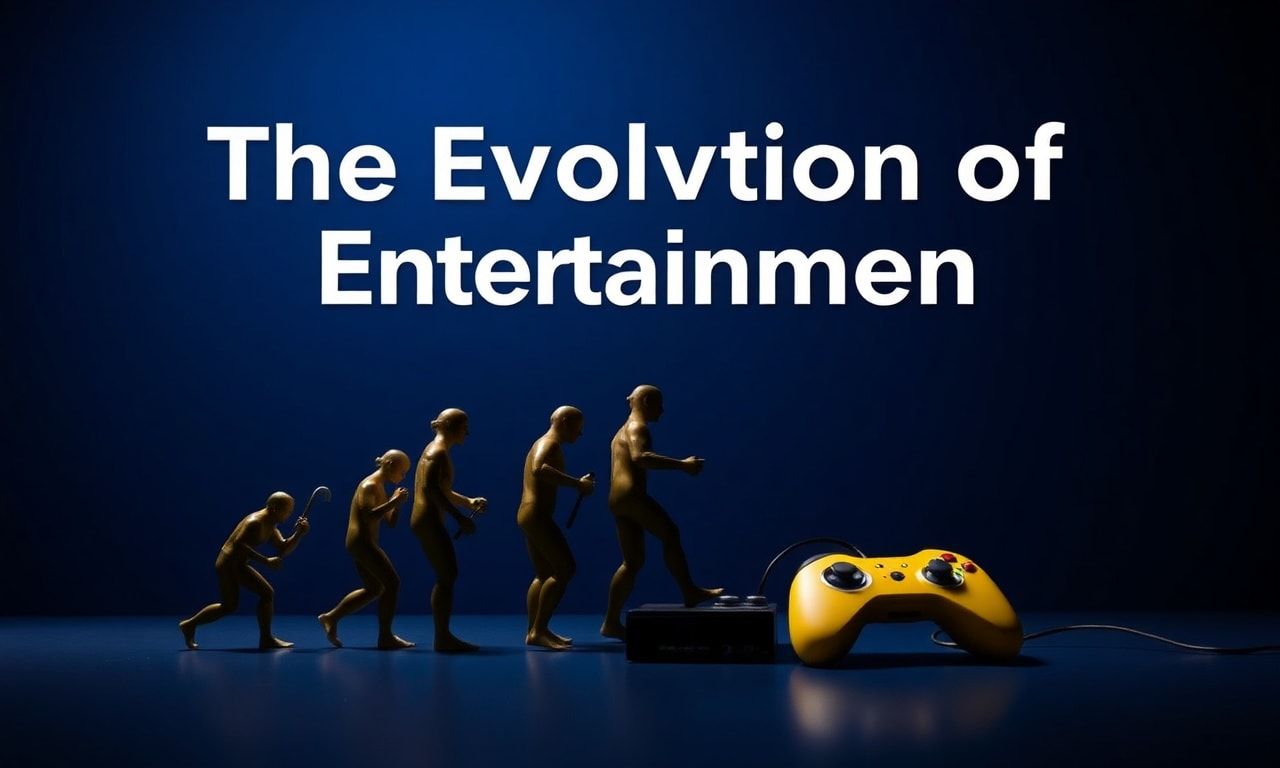
The entertainment industry has come a long way, evolving through the decades to embrace new technologies and cultural shifts. From the golden age of cinema to the rise of digital music and the explosive growth of gaming, each facet of entertainment has contributed to a rich and diverse landscape. As we look to the future, the continued intersection of creativity and technology will undoubtedly bring about even more exciting developments, ensuring that entertainment remains a vibrant and dynamic part of our lives.
While we’re all about entertainment, it’s crucial to stay informed about global efforts too. Check out China’s climate change action and see how it might inspire our favorite stars and studios to go green.
Ever wondered how your favorite stars manage to juggle their busy schedules and still look fabulous? Our latest feature, celebrity life balance tips, reveals their secrets to keeping it all together.
If you’re a fan of the glitz and glamour of entertainment colliding with the raw energy of sports, you won’t want to miss this captivating new era.