The Golden Age of Hollywood
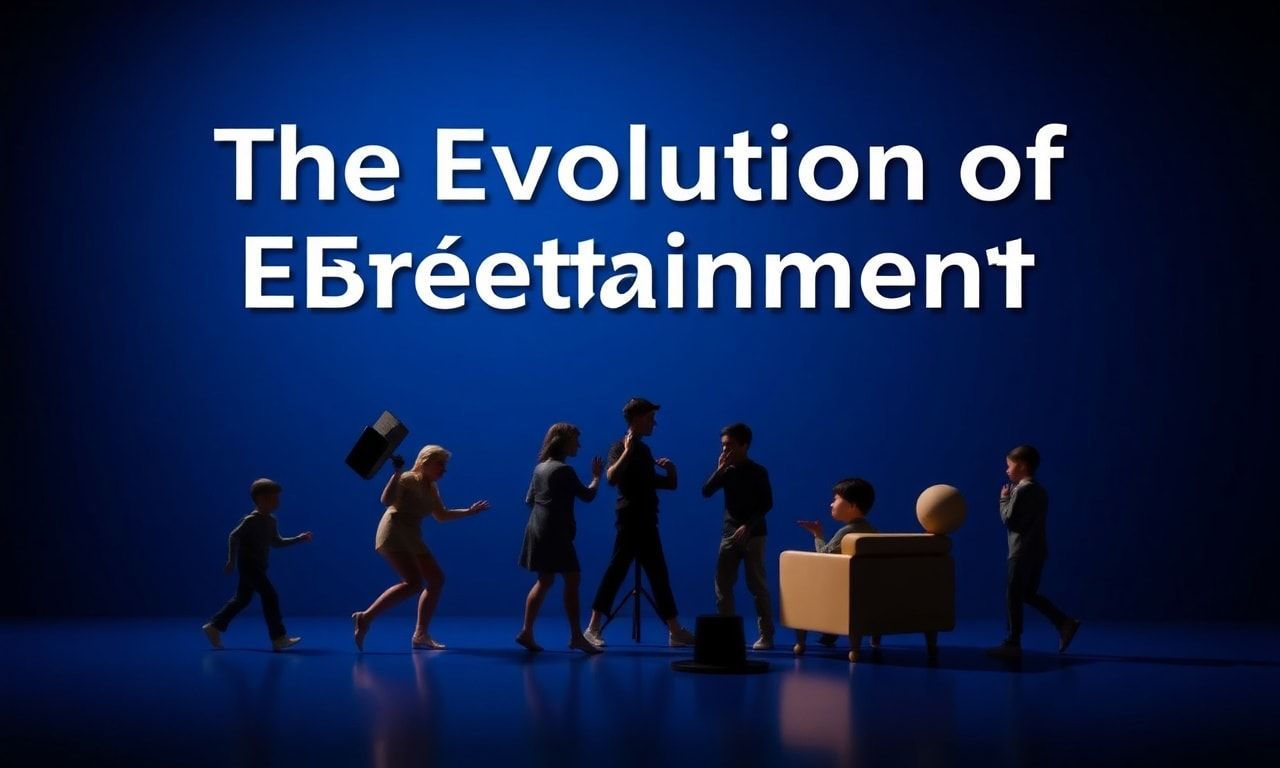
The entertainment industry has witnessed a remarkable evolution over the decades, with Hollywood standing as a beacon of cinematic excellence. The Golden Age of Hollywood, spanning from the 1920s to the 1960s, was a period marked by the rise of iconic studios like MGM, Paramount, and Warner Bros. These studios produced timeless classics that continue to captivate audiences today. The era was characterized by the star system, where actors like Marilyn Monroe, Humphrey Bogart, and Audrey Hepburn became household names. The introduction of sound in films, known as the talkies, revolutionized the industry and set the stage for future innovations.
The Rise of Television
As the 20th century progressed, television emerged as a dominant force in the entertainment landscape. The 1950s saw the proliferation of TV sets in households, leading to the birth of popular TV shows that brought families together. Sitcoms like “I Love Lucy” and “The Twilight Zone” became cultural phenomena, showcasing the power of television to entertain and influence society. The advent of cable television in the 1980s further expanded the reach of TV, offering a diverse range of programming that catered to various tastes and demographics. Today, streaming services like Netflix, Hulu, and Disney+ have revolutionized the way we consume television, providing on-demand access to a vast library of content.
The Digital Revolution in Music
The music industry has also undergone a significant transformation with the advent of digital technology. The introduction of the compact disc (CD) in the 1980s marked a shift from vinyl records to a more portable and convenient format. However, the real game-changer came with the rise of the internet and digital downloads. Platforms like iTunes and later streaming services such as Spotify and Apple Music have democratized access to music, allowing listeners to discover and enjoy a wide array of genres and artists. The digital age has also empowered independent musicians, enabling them to reach global audiences without the need for traditional record labels.
The Impact of Social Media on Celebrity Culture
Social media has profoundly impacted the entertainment industry, particularly in the realm of celebrity culture. Platforms like Instagram, Twitter, and TikTok have given celebrities direct access to their fans, allowing them to share their lives, promote their work, and engage with their audience in real-time. This shift has democratized fame, enabling influencers and content creators to build substantial followings and even launch successful careers. However, it has also brought challenges, such as the pressure to maintain a perfect image and the risk of cyberbullying. Despite these challenges, social media continues to be a powerful tool for celebrities to connect with their fans and shape public perception.
The Future of Gaming
The gaming industry has evolved from simple arcade games to a multi-billion-dollar enterprise that encompasses consoles, PCs, and mobile devices. The rise of esports has transformed gaming into a spectator sport, with professional gamers competing in high-stakes tournaments watched by millions of fans worldwide. Virtual reality (VR) and augmented reality (AR) technologies are pushing the boundaries of immersive gaming experiences, offering players unprecedented levels of interaction and engagement. As technology continues to advance, the future of gaming promises even more innovative and exciting developments, from AI-driven narratives to cloud-based gaming platforms. For the latest updates on the entertainment world, including gaming, be sure to check out güncel haberler güncel.
The Role of Streaming Services
Streaming services have revolutionized the way we consume entertainment, offering a vast library of movies, TV shows, and music at our fingertips. Platforms like Netflix, Amazon Prime Video, and Spotify have disrupted traditional models of content distribution, providing consumers with convenient and affordable access to a wide range of entertainment options. The rise of streaming has also led to the creation of original content, with platforms investing heavily in producing their own shows and films. This has not only increased competition but also provided audiences with a diverse array of high-quality content to choose from. As streaming services continue to evolve, they are likely to play an even more significant role in shaping the future of the entertainment industry.
The Influence of Technology on Entertainment
Technology has been a driving force behind the evolution of the entertainment industry, enabling the creation of immersive and interactive experiences. Advances in computer graphics, virtual reality, and artificial intelligence have opened up new possibilities for storytelling and content creation. For example, the use of motion capture technology in films like “Avatar” and “The Lord of the Rings” has allowed for the creation of realistic and believable digital characters. Similarly, the integration of AI in music production has enabled artists to explore new sounds and styles, pushing the boundaries of creativity. As technology continues to advance, it is likely to play an increasingly important role in shaping the future of entertainment.