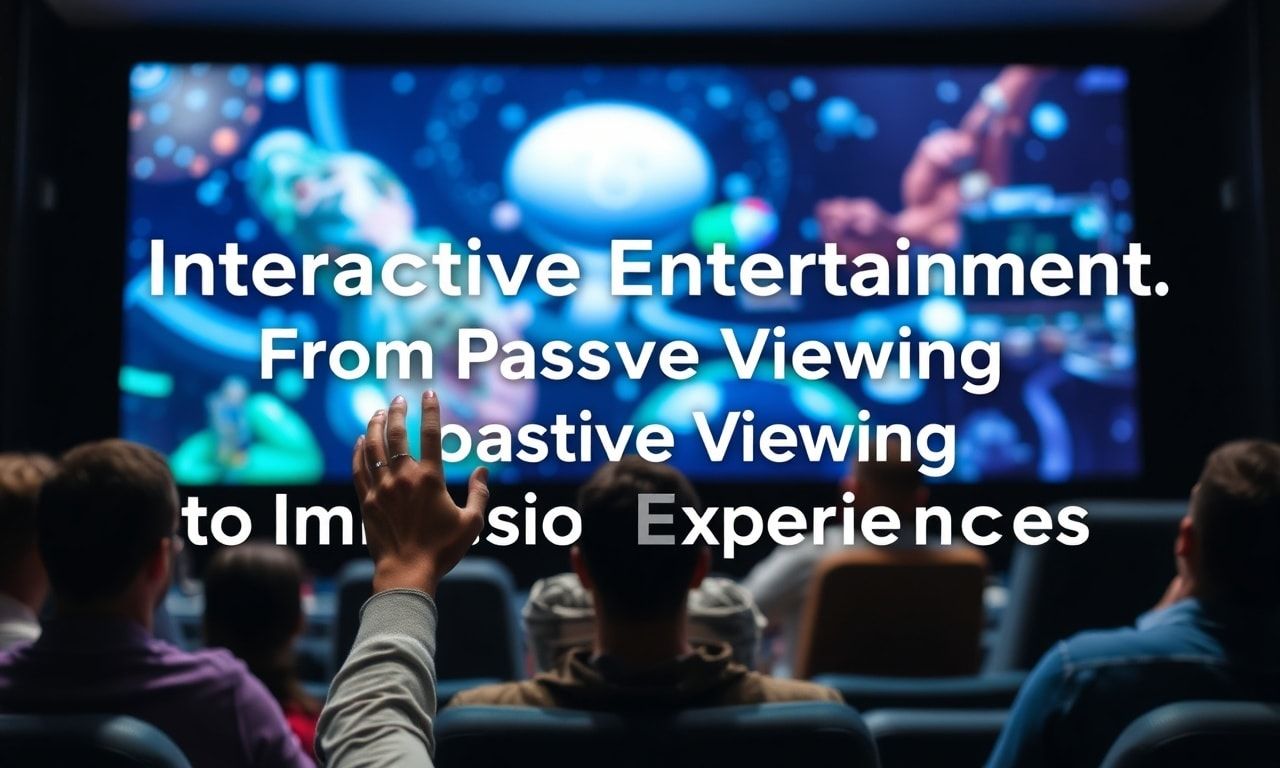
The Golden Age of Passive Entertainment
The entertainment industry has undergone a remarkable transformation over the past few decades. Gone are the days when audiences were content with passive viewing experiences. The golden age of passive entertainment, characterized by traditional television shows and movies, has given way to a new era of interactive and immersive experiences. This shift has been driven by advancements in technology and a growing demand for more engaging content.
The Rise of Interactive Media
Interactive media has become a cornerstone of modern entertainment. Video games, in particular, have evolved from simple pixelated graphics to complex, narrative-driven experiences that rival Hollywood blockbusters. Platforms like buhurdan kullanıcı deneyimleri ve yorumları 2026 offer a glimpse into the future of interactive entertainment, where users can share their experiences and influence the development of new games. This level of engagement was unthinkable just a few decades ago.
The Impact of Streaming Services
Streaming services have also played a pivotal role in reshaping the entertainment landscape. Services like Netflix, Hulu, and Disney+ have made it easier than ever for audiences to access a vast library of content on demand. This convenience has not only changed how we consume entertainment but also how it is produced. Streaming platforms are now investing heavily in original content, leading to a surge in high-quality TV shows and movies that cater to diverse audiences.
The Future of Immersive Entertainment
The future of entertainment lies in immersive experiences. Virtual reality (VR) and augmented reality (AR) technologies are poised to revolutionize the way we interact with content. Imagine stepping into a virtual world where you can walk alongside your favorite movie characters or attend a concert from the comfort of your own home. These technologies are already making waves in the gaming industry, and their potential applications in other forms of entertainment are limitless.
The Role of Social Media
Social media has become an integral part of the entertainment ecosystem. Platforms like Twitter, Instagram, and TikTok allow fans to connect with their favorite celebrities and share their thoughts on the latest movies, TV shows, and games. This real-time interaction fosters a sense of community and engagement that was previously unavailable. Social media also provides a platform for user-generated content, which has become a significant driver of trends and viral sensations.
The Evolution of Celebrity Culture
Celebrity culture has also evolved in response to the changing entertainment landscape. Today’s celebrities are not just actors, musicians, or athletes; they are influencers who use social media to build their personal brands and connect with fans on a more personal level. This shift has democratized fame, allowing individuals from all walks of life to achieve celebrity status through platforms like YouTube and Instagram. The lines between traditional celebrities and social media influencers are increasingly blurred, creating a new dynamic in the entertainment industry.
The Impact of Gaming on Entertainment
Gaming has emerged as a dominant force in the entertainment industry. Esports tournaments draw millions of viewers and offer prize pools that rival traditional sports events. The rise of live streaming platforms like Twitch has further cemented gaming’s place in popular culture. Gamers are now celebrities in their own right, with dedicated fan bases and lucrative sponsorship deals. The interactive nature of gaming provides a level of engagement that traditional forms of entertainment cannot match, making it a key player in the future of entertainment.
Conclusion
The entertainment industry is in a state of constant evolution, driven by technological advancements and changing consumer preferences. From passive viewing to immersive experiences, the way we consume entertainment has been transformed. Interactive media, streaming services, social media, and gaming are all contributing to this shift, creating a more engaging and dynamic entertainment landscape. As we look to the future, the possibilities are endless, and the line between reality and entertainment continues to blur.
You may also find Eğlencenin Dünyasına Hoş Geldiniz: Sinema, Müzik, helpful as it covers related aspects of this subject.
If you enjoyed this article, we recommend checking out The Art of Mindful Travel: Enhancing for further reading.