The Rise of the Superhero Genre
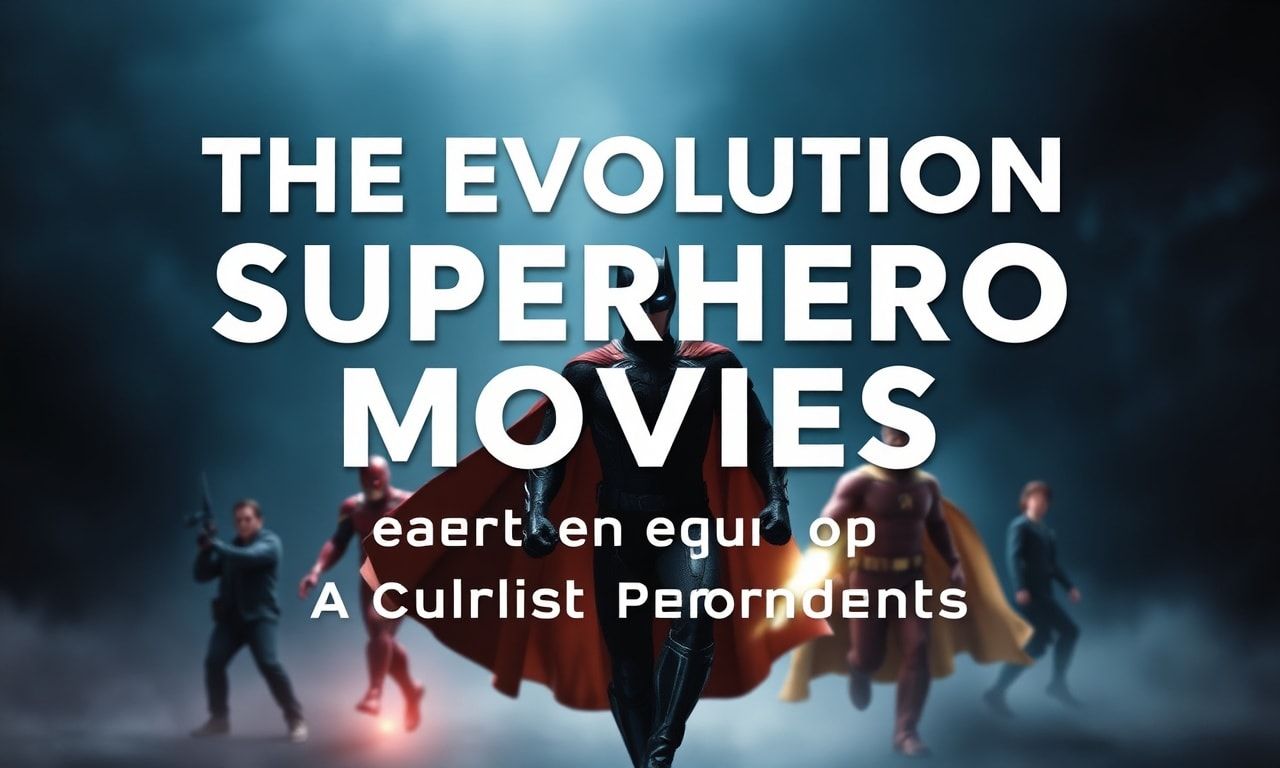
The superhero genre has undergone a remarkable transformation over the past few decades, evolving from humble comic book origins to a dominant force in global cinema. What began as simple, colorful tales of good versus evil has blossomed into a multi-billion-dollar industry, captivating audiences worldwide. The journey of superhero movies is not just a story of entertainment but a reflection of societal changes and technological advancements.
The Golden Age of Comic Books to Silver Screen Adaptations
The early 20th century saw the birth of iconic characters like Superman, Batman, and Wonder Woman, who became cultural icons through comic books. These characters laid the foundation for what would later become a cinematic revolution. The first major superhero movie, “Superman” in 1978, set the stage for future adaptations, proving that these characters could translate from the printed page to the silver screen. However, it was not until the turn of the millennium that superhero movies began to gain significant traction.
The Marvel Cinematic Universe: A Game Changer
The release of “Iron Man” in 2008 marked a turning point in the superhero genre. This film, produced by Marvel Studios, was the first in what would become the Marvel Cinematic Universe (MCU). The MCU’s interconnected storytelling and character-driven narratives revolutionized the way superhero movies were made and consumed. Audiences were no longer just watching standalone films; they were investing in a shared universe that spanned multiple movies and television series.
For instance, the Glasgow education news update highlighted how the MCU’s success has even influenced educational curricula, with courses on film studies and media analysis incorporating these movies as case studies. The MCU’s impact extends beyond entertainment, seeping into various aspects of popular culture and academia.
The DC Universe: Competing for the Crown
While Marvel was making waves with its interconnected universe, DC Comics was not far behind. Films like “The Dark Knight” and “Wonder Woman” showcased DC’s ability to deliver both critically acclaimed and commercially successful movies. The DC Extended Universe (DCEU) aimed to compete with the MCU, offering a darker and more gritty take on superhero storytelling. Although the DCEU has faced its share of challenges, it has produced some standout films that have left a lasting impact on the genre.
The Future of Superhero Movies
As the superhero genre continues to evolve, several trends are emerging that will shape its future. One notable trend is the increasing diversity in storytelling and representation. Films like “Black Panther” and “Captain Marvel” have broken barriers, showcasing diverse leads and addressing social issues. This shift towards inclusivity is not only refreshing but also essential for the genre’s growth and relevance.
Another trend is the expansion into different mediums, such as television series and streaming platforms. The success of shows like “The Boys” and “WandaVision” demonstrates that superhero storytelling is not limited to the big screen. These platforms offer new opportunities for creators to explore complex narratives and reach a wider audience.
Technological advancements are also playing a crucial role in the future of superhero movies. The use of CGI, motion capture, and virtual reality is enhancing the visual experience, allowing filmmakers to bring fantastical elements to life in ways that were previously unimaginable. As technology continues to evolve, so too will the possibilities for superhero storytelling.
The Cultural Impact of Superhero Movies
The impact of superhero movies extends beyond entertainment, influencing various aspects of society. From fashion and merchandise to theme parks and video games, the superhero genre has become a cultural phenomenon. These movies have also sparked discussions about important social issues, such as diversity, representation, and mental health. By addressing these topics, superhero movies have become more than just escapist entertainment; they have become a mirror reflecting the values and concerns of contemporary society.
In conclusion, the evolution of superhero movies is a testament to the power of storytelling and its ability to captivate audiences across generations. From the golden age of comic books to the modern era of cinematic universes, superhero movies have come a long way. As the genre continues to evolve, it will undoubtedly bring new stories, characters, and experiences that will shape the future of entertainment.