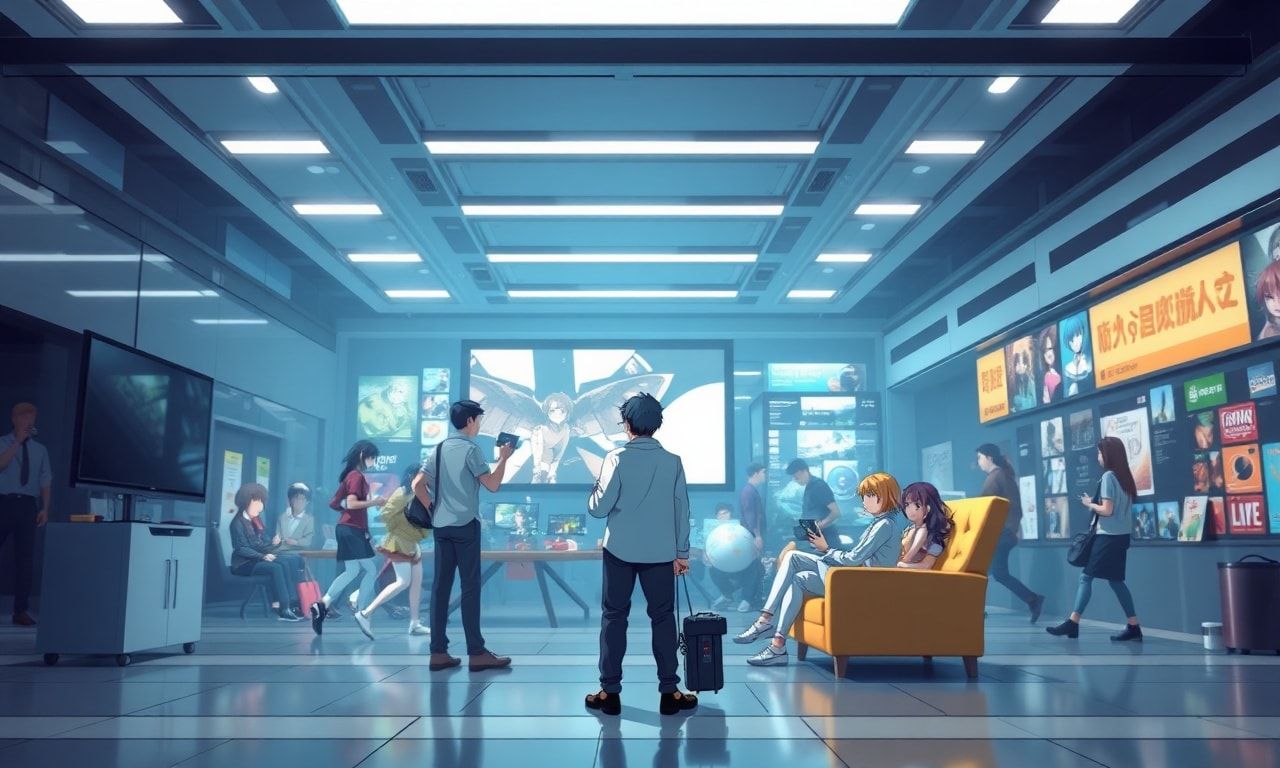
The Rise of Anime in Global Pop Culture
The entertainment landscape has witnessed a seismic shift with the rise of anime, a style of animation originating from Japan. What was once a niche interest has burgeoned into a global phenomenon, influencing various facets of mainstream entertainment. From movies and TV shows to music and gaming, anime’s impact is undeniable. This article delves into the multifaceted influence of anime, exploring its integration into different entertainment sectors and its cultural significance.
The Anime Influence on Movies and TV
Anime’s foray into mainstream cinema and television has been nothing short of revolutionary. Blockbuster films like ‘Your Name’ and ‘Spirited Away’ have garnered international acclaim, breaking language barriers and captivating audiences worldwide. Streaming platforms such as Netflix and Crunchyroll have further amplified anime’s reach, making it more accessible than ever. The unique storytelling and artistic styles of anime have inspired Western animators and filmmakers, leading to a fusion of creative techniques and narratives.
Television series, too, have embraced anime aesthetics and themes. Shows like ‘Avatar: The Last Airbender’ and ‘The Dragon Prince’ incorporate anime-inspired animation and storytelling, appealing to a broad audience. The crossover appeal of these shows underscores the growing acceptance and appreciation of anime within the mainstream entertainment industry.
Music and Anime: A Harmonic Blend
The music industry has also felt the ripple effects of anime’s popularity. Anime soundtracks, often composed by renowned artists, have gained a dedicated following. Composers like Yoko Kanno and Joe Hisaishi have created iconic scores that resonate with fans long after the credits roll. These soundtracks often blend traditional Japanese instruments with modern electronic beats, creating a unique auditory experience.
Moreover, anime has influenced the music videos and performances of popular artists. For instance, the music video for ‘Gangnam Style’ by Psy features anime-style animation, showcasing the genre’s global appeal. Collaborations between musicians and anime studios have become more common, further bridging the gap between the two industries.
Gaming and Anime: A Symbiotic Relationship
The gaming industry and anime share a symbiotic relationship, with each medium drawing inspiration from the other. Many video games are based on popular anime series, offering fans an interactive experience beyond the screen. Games like ‘Dragon Ball Z: Kakarot’ and ‘Naruto Shippuden: Ultimate Ninja Storm’ bring beloved characters and storylines to life, immersing players in their favorite anime worlds.
Conversely, anime adaptations of video games have also gained traction. Series like ‘Attack on Titan’ and ‘Sword Art Online’ have captivated audiences, demonstrating the seamless transition from interactive gameplay to animated storytelling. This mutual influence highlights the interconnected nature of the entertainment industry.
Celebrity News from the Anime World Today
For those eager to stay updated on the latest trends and celebrity news from the anime world today, platforms like Anime Manga Daily offer a wealth of information. From interviews with voice actors to behind-the-scenes looks at upcoming releases, these platforms provide a comprehensive overview of the anime industry. Staying informed about the latest developments can enhance the viewing experience and deepen appreciation for the art form.
The Cultural Impact of Anime
Anime’s cultural impact extends beyond entertainment, influencing fashion, art, and even language. Cosplay, the practice of dressing up as favorite characters, has become a global phenomenon, with conventions and events drawing thousands of enthusiasts. Anime-inspired fashion has also made its way onto runways and into mainstream clothing lines, reflecting the genre’s growing influence.
The language of anime, with its unique slang and expressions, has seeped into everyday vocabulary. Terms like ‘kawaii’ and ‘tsundere’ are now commonly used, showcasing the genre’s ability to shape cultural norms. Anime’s portrayal of diverse themes and narratives has also sparked conversations about social issues, making it a powerful medium for cultural commentary.
Conclusion
The intersection of anime and mainstream entertainment is a testament to the genre’s universal appeal. From movies and TV to music and gaming, anime’s influence is pervasive and transformative. As the entertainment industry continues to evolve, the integration of anime is likely to deepen, offering new avenues for creativity and expression. For fans and enthusiasts, staying informed about the latest trends and developments is essential to fully appreciate the rich tapestry of anime culture.
Ever wondered how anime has taken over the world? Dive into anime’s global cultural impact and see how it’s reshaping movies, music, and gaming.
If you’re curious about how the latest tech breakthroughs might shape your favorite films, games, and tunes, don’t miss our dive into the future of technology.
If you’re looking to balance your entertainment-filled life, check out our tips for a balanced life at home.