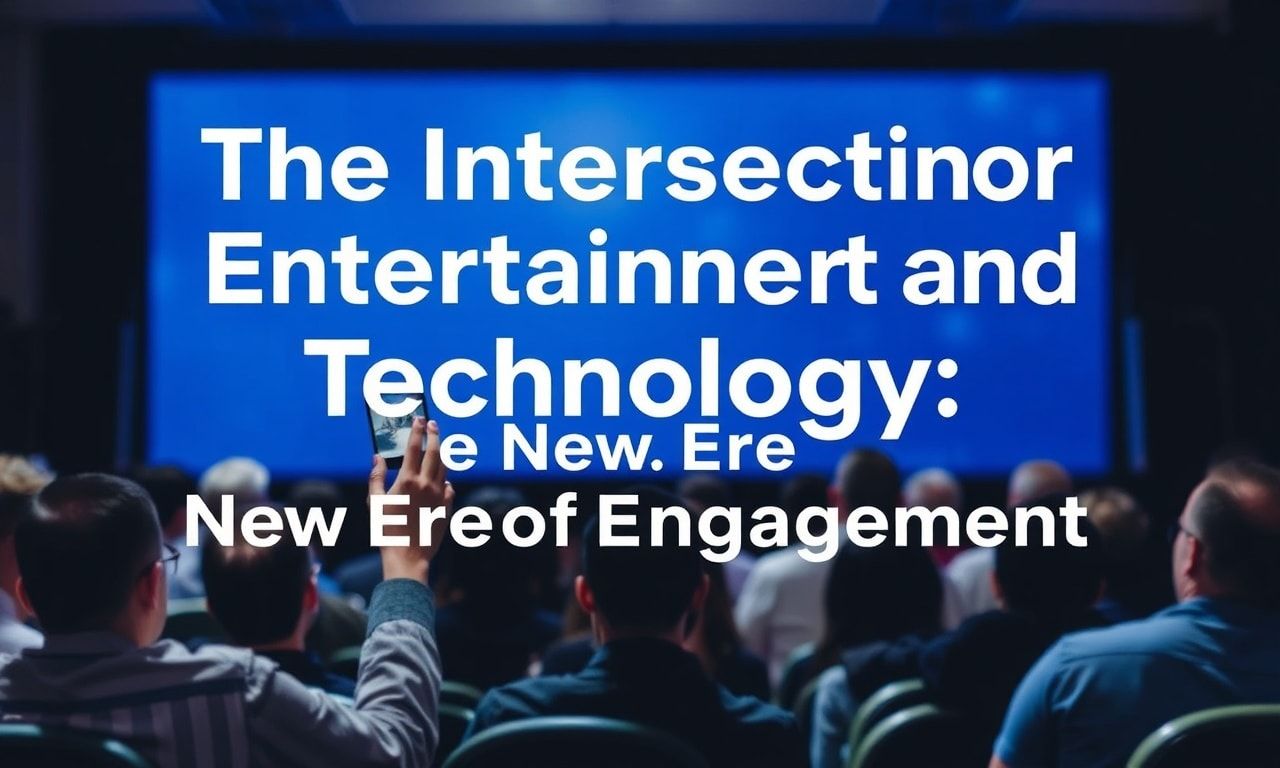
The Evolution of Entertainment in the Digital Age
The entertainment industry has undergone a profound transformation over the past few decades, largely driven by technological advancements. From the way we consume music and movies to how we interact with our favorite celebrities and games, technology has revolutionized every aspect of the entertainment landscape. This shift has not only made entertainment more accessible but also more immersive and interactive.
The Rise of Streaming Services
One of the most significant changes in the entertainment industry is the rise of streaming services. Platforms like Netflix, Spotify, and Disney+ have revolutionized how we access and enjoy content. Gone are the days when we had to wait for our favorite shows to air on television or purchase physical copies of movies and music. Today, we can stream our favorite content anytime, anywhere, with just a few clicks.
This convenience has led to a surge in the popularity of streaming services, with millions of subscribers worldwide. The ability to binge-watch entire seasons of TV shows or create personalized playlists has changed the way we engage with entertainment. Additionally, the integration of advanced algorithms that recommend content based on our viewing habits has made the experience even more personalized and enjoyable.
The Impact of Social Media on Celebrity Culture
Social media has also played a pivotal role in shaping the entertainment industry, particularly in the realm of celebrity culture. Platforms like Instagram, Twitter, and TikTok have given celebrities a direct line of communication with their fans, allowing them to share behind-the-scenes glimpses, personal updates, and even engage in real-time conversations. This direct interaction has humanized celebrities, making them more relatable and accessible to their fans.
Moreover, social media has democratized fame, enabling ordinary individuals to become overnight sensations. Viral challenges, dance trends, and memes have propelled unknown individuals to stardom, blurring the lines between traditional celebrities and social media influencers. This shift has not only diversified the entertainment landscape but also created new opportunities for content creation and monetization.
The Future of Gaming: Virtual Reality and Beyond
The gaming industry is another sector that has seen tremendous growth and innovation, thanks to technological advancements. Virtual reality (VR) and augmented reality (AR) have opened up new dimensions of gaming, offering immersive experiences that were once only imaginable in science fiction. Games like Pokémon GO and Beat Saber have showcased the potential of AR and VR, respectively, to create engaging and interactive environments.
As technology continues to evolve, we can expect even more groundbreaking developments in the gaming industry. The integration of artificial intelligence (AI) and machine learning (ML) is already enhancing game design and player experiences. Additionally, the rise of cloud gaming services, such as Google Stadia and Xbox Cloud Gaming, is making high-quality gaming more accessible to a broader audience. These advancements are not only transforming the way we play games but also how we interact with digital worlds.
The Financial Side of Entertainment
While the entertainment industry is often associated with glamour and creativity, it is also a significant economic driver. The financial aspects of entertainment, from movie budgets to music royalties, play a crucial role in shaping the industry. For those involved in the business side of entertainment, understanding financial metrics is essential. Tools like faiz hesaplama için en iyi araçlar 2026 can be invaluable for managing investments and understanding financial returns in the entertainment sector.
Investors and producers often rely on detailed financial analyses to make informed decisions about projects. Whether it’s calculating the potential return on investment for a new movie or analyzing the financial performance of a music album, accurate financial tools are indispensable. By leveraging these tools, stakeholders in the entertainment industry can make data-driven decisions that enhance their chances of success.
Conclusion: Embracing the Future of Entertainment
The entertainment industry is in a state of constant evolution, driven by technological advancements and changing consumer preferences. From the rise of streaming services to the impact of social media on celebrity culture, and the innovations in gaming, the landscape of entertainment is more dynamic than ever. As we look to the future, embracing these changes and leveraging technology will be key to staying ahead in the industry.
For those involved in the business side of entertainment, understanding the financial implications of these changes is crucial. By utilizing tools like faiz hesaplama için en iyi araçlar 2026, stakeholders can make informed decisions that drive success and sustainability in the ever-evolving world of entertainment.
Ever wondered how your favorite childhood films left a lasting impact? Dive into storytelling’s power in kids’ movies and discover the magic behind these cinematic gems.
Curious about how tech is revolutionizing your favorite shows, games, and tunes? Dive into how technology is transforming entertainment and why you should care.
Ever wondered how your financial habits might be affecting your physical health? Check out financial wellness and fitness to discover the surprising connections, and maybe even pick up some tips to balance your budget and your biceps.