The Golden Age of Hollywood
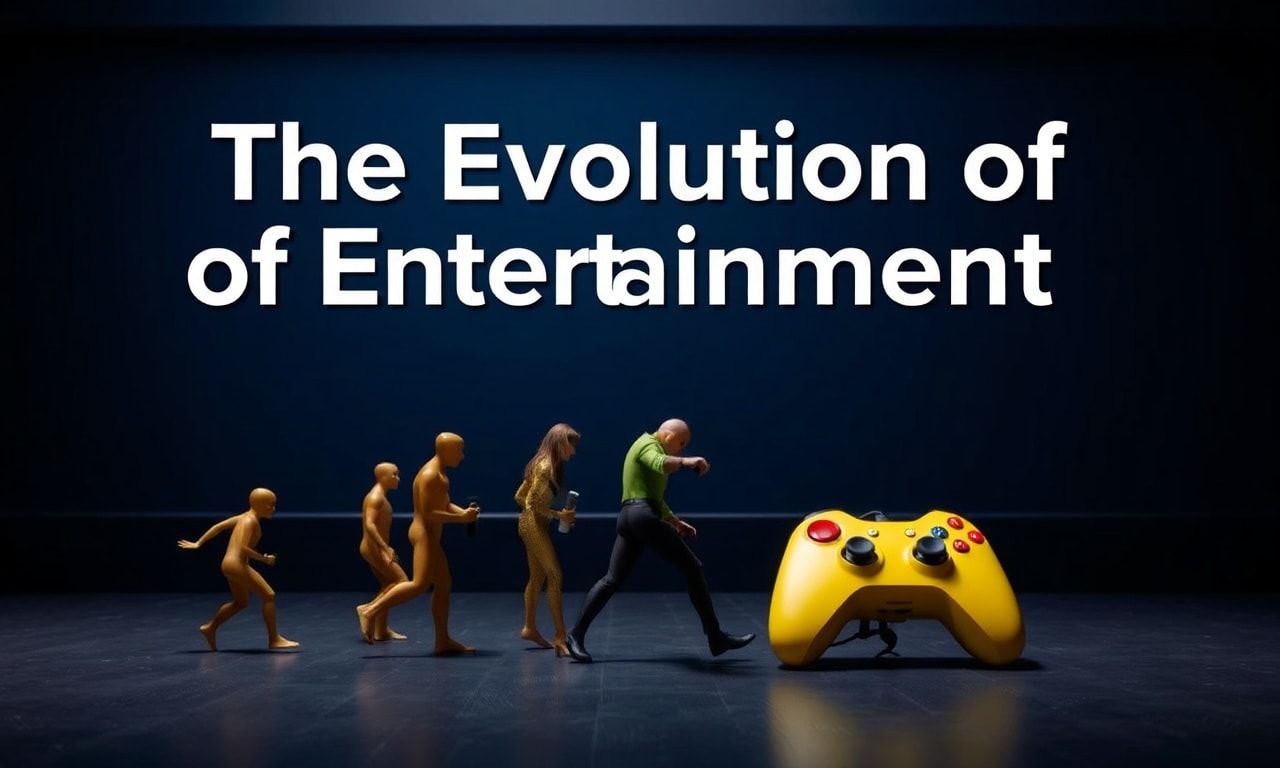
The entertainment industry has undergone a remarkable transformation over the decades. The Golden Age of Hollywood, spanning from the 1920s to the 1960s, was a period of significant innovation and creativity. Iconic films like “Gone with the Wind” and “Casablanca” set the stage for modern cinema, introducing groundbreaking techniques and storytelling methods that continue to influence filmmakers today. This era also saw the rise of legendary actors and actresses who became household names, their performances etched in the annals of entertainment history.
During this time, movies were not just a form of entertainment but also a reflection of societal values and cultural norms. The introduction of sound in films marked a pivotal moment, enhancing the immersive experience for audiences. The Golden Age laid the foundation for the diverse and dynamic entertainment landscape we enjoy today.
The Rise of Television
As the 20th century progressed, television emerged as a dominant force in the entertainment industry. The 1950s and 1960s witnessed the birth of iconic TV shows that captivated audiences worldwide. From “I Love Lucy” to “The Twilight Zone,” these programs showcased the potential of television as a medium for both comedy and drama. The convenience and accessibility of TV made it a staple in households, revolutionizing the way people consumed entertainment.
Television also played a crucial role in shaping popular culture. News broadcasts, talk shows, and reality TV introduced new formats and genres, catering to a wide range of audience preferences. The advent of cable TV further expanded the variety of content available, offering specialized channels dedicated to sports, movies, and music. This diversification laid the groundwork for the digital revolution that would follow.
The Impact of Music Videos and MTV
The 1980s marked a significant shift in the entertainment landscape with the rise of music videos and the launch of MTV. This new medium transformed the music industry, allowing artists to express their creativity through visual storytelling. Icons like Michael Jackson and Madonna became global sensations, their music videos becoming cultural phenomena. MTV not only promoted music but also influenced fashion, dance, and even language, creating a multimedia experience that resonated with audiences.
The impact of MTV extended beyond music, inspiring a new wave of creativity in film and television. Directors and producers began to experiment with visual effects and narrative techniques, drawing inspiration from the vibrant and dynamic world of music videos. This cross-pollination of ideas enriched the entertainment industry, fostering innovation and collaboration across different artistic disciplines.
The Digital Revolution
The turn of the millennium brought about a digital revolution that transformed the entertainment industry. The internet became a powerful tool for content creation and distribution, enabling artists and creators to reach global audiences with ease. Streaming services like Netflix and Spotify revolutionized the way people accessed movies, TV shows, and music, offering convenience and variety at their fingertips.
Social media platforms like Facebook, Twitter, and Instagram further democratized entertainment, allowing fans to connect with their favorite celebrities and share their own content. This interactive and participatory culture created new opportunities for artists to engage with their audiences, fostering a sense of community and connection. The digital revolution also gave rise to new forms of entertainment, such as podcasts and web series, catering to diverse interests and preferences.
The Role of Sports in Entertainment
Sports have always been a significant part of the entertainment industry, bringing people together and creating unforgettable moments. From the Olympics to the Super Bowl, sporting events capture the imagination of millions, offering thrilling competitions and inspiring stories of triumph and perseverance. The rise of sports analytics and advanced technologies has enhanced the viewing experience, providing fans with in-depth insights and real-time updates.
For those interested in the technical aspects of sports, resources like sports equipment review comparison offer valuable information on the latest gear and equipment. These reviews help athletes and enthusiasts make informed decisions, ensuring they have the best tools to excel in their chosen sport. The intersection of sports and technology continues to push the boundaries of entertainment, creating new opportunities for innovation and engagement.
The Future of Entertainment
The entertainment industry is constantly evolving, driven by technological advancements and changing consumer preferences. Virtual reality (VR) and augmented reality (AR) are poised to revolutionize the way we experience movies, games, and live events. These immersive technologies promise to transport audiences into new worlds, offering unprecedented levels of interactivity and engagement.
Artificial intelligence (AI) is another exciting development, with the potential to personalize entertainment experiences based on individual preferences. AI-powered algorithms can analyze viewer behavior and recommend content tailored to their interests, enhancing the overall entertainment experience. As these technologies continue to evolve, the future of entertainment looks brighter and more dynamic than ever.
The entertainment industry has come a long way from the Golden Age of Hollywood to the digital revolution of the 21st century. Each era has brought its own innovations and transformations, shaping the way we consume and enjoy entertainment. As we look to the future, the possibilities are endless, promising a world of excitement, creativity, and endless entertainment.
If you’re craving the latest buzz in entertainment, don’t miss the most entertaining news roundup—it’s a must-read for any pop culture fan!