The Evolution of Entertainment in the Digital Age
The entertainment industry has undergone a profound transformation over the past few decades, largely driven by technological advancements. From the way we consume music and movies to the rise of interactive gaming and virtual experiences, technology has become an integral part of our entertainment landscape. This shift has not only changed how we engage with content but also how it is created and distributed.
The Rise of Streaming Services
One of the most significant changes in the entertainment sector has been the rise of streaming services. Platforms like Netflix, Spotify, and Disney+ have revolutionized the way we access and enjoy our favorite shows, movies, and music. These services offer a vast library of content that can be accessed anytime, anywhere, providing unparalleled convenience for consumers. The shift from physical media to digital streaming has also had a profound impact on the industry, changing the way content is produced, marketed, and monetized.
The Impact on Traditional Media
The rise of streaming services has had a significant impact on traditional media outlets, such as cable TV and physical music sales. Many consumers have cut the cord on their cable subscriptions in favor of more flexible and affordable streaming options. This shift has forced traditional media companies to adapt and innovate, often by launching their own streaming platforms or partnering with existing ones. The competition among these platforms has led to a surge in high-quality content, benefiting consumers with a wider range of choices.
The Role of Social Media in Entertainment
Social media has become a powerful tool in the entertainment industry, allowing artists, actors, and creators to connect directly with their audiences. Platforms like Instagram, TikTok, and YouTube have given rise to a new generation of influencers and content creators who have built massive followings and even launched successful careers. Social media has also changed the way marketing and promotion are done in the entertainment industry, with viral campaigns and user-generated content playing a crucial role in the success of movies, music, and TV shows.
The Influence of User-Generated Content
User-generated content has become a significant force in the entertainment landscape. Platforms like YouTube and TikTok have enabled ordinary people to create and share their own content, often achieving viral fame and even signing deals with major entertainment companies. This democratization of content creation has led to a more diverse and inclusive entertainment industry, where voices from all backgrounds can be heard. It has also created new opportunities for collaboration and innovation, as traditional media companies seek to tap into the creativity and influence of user-generated content creators.
The Future of Entertainment: Virtual and Augmented Reality
The future of entertainment lies in the realm of virtual and augmented reality. These technologies promise to create immersive and interactive experiences that blur the line between the real and virtual worlds. From virtual concerts and events to augmented reality games and experiences, the possibilities are endless. Companies are investing heavily in these technologies, recognizing their potential to revolutionize the way we consume and engage with entertainment content.
The Potential of Virtual Concerts
Virtual concerts have gained significant traction, especially in the wake of the COVID-19 pandemic. Artists like Travis Scott and Ariana Grande have hosted virtual concerts that have attracted millions of viewers, showcasing the potential of this technology. These events offer a unique and immersive experience that transcends physical boundaries, allowing fans from all over the world to participate in a shared experience. As technology continues to advance, virtual concerts are likely to become more common, offering new opportunities for artists to connect with their audiences.
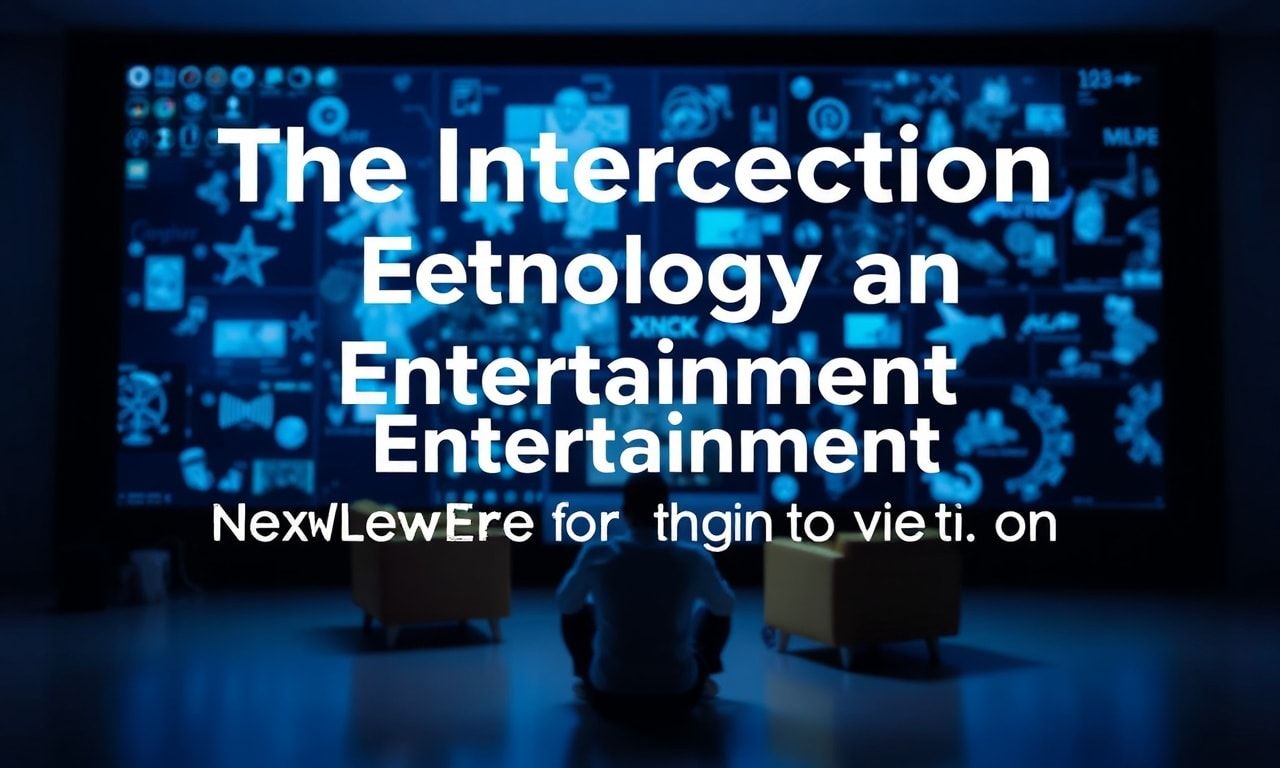
The Intersection of Technology and Entertainment in Birmingham
Birmingham, a city known for its rich cultural heritage and vibrant arts scene, is also at the forefront of technological innovation in the entertainment industry. The city is home to a thriving community of tech startups that are leveraging cutting-edge technologies to create new and innovative entertainment experiences. From virtual reality gaming to interactive digital art installations, these startups are pushing the boundaries of what is possible in the entertainment sector. For the latest updates on the exciting developments in Birmingham’s tech scene, be sure to check out birmingham tech startups news.
The Role of Gaming in Entertainment
Gaming has become a major force in the entertainment industry, with millions of people around the world engaging in various forms of interactive play. The rise of esports has turned gaming into a spectator sport, with professional gamers competing in high-stakes tournaments that attract millions of viewers. The gaming industry has also seen significant advancements in technology, with virtual reality and augmented reality games offering immersive and interactive experiences that were once the stuff of science fiction. As the gaming industry continues to grow, it is likely to play an even more significant role in the entertainment landscape.
Conclusion
The entertainment industry is in the midst of a technological revolution that is transforming the way we create, consume, and engage with content. From streaming services and social media to virtual and augmented reality, technology is reshaping the entertainment landscape in profound ways. As these technologies continue to evolve, we can expect even more innovative and immersive experiences that will redefine the boundaries of entertainment. The future of entertainment is bright, and it is being shaped by the intersection of technology and creativity.